
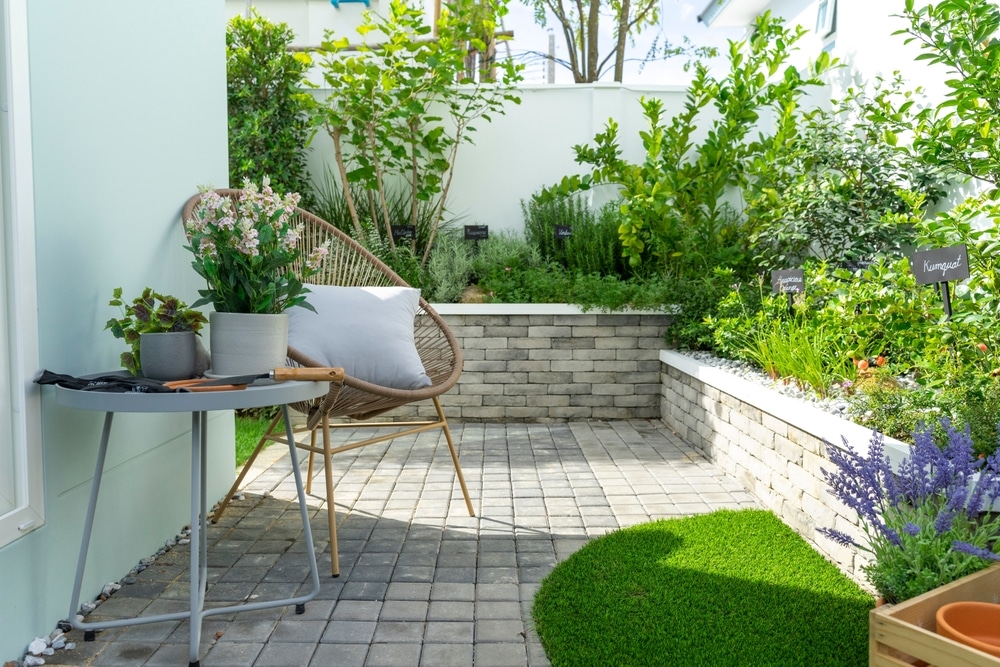
Small outdoor spaces can be just as beautiful, functional, and inviting as larger landscapes when designed thoughtfully. Whether you have a compact backyard in Nassau County, a townhouse patio in Westchester, or a rooftop space in NYC, smart planning makes all the difference. Garden design ideas for small spaces focus on maximizing every inch while maintaining comfort and visual appeal. With the right approach, even the smallest area can feel lush, open, and intentional. This guide explores practical and creative ways to transform limited outdoor areas into stunning gardens.
Think Vertically to Maximize Space
When square footage is limited, vertical design becomes one of the most effective garden design ideas for small spaces. Vertical gardens allow you to add greenery without sacrificing valuable ground space. Trellises, wall-mounted planters, and climbing plants help draw the eye upward, making the space feel larger and more dynamic.
In urban environments like NYC, vertical planting is especially useful for balconies and rooftop gardens. Lightweight planters and wall systems work well with NYC rooftop irrigation setups, ensuring plants receive adequate water without adding unnecessary weight. Vertical elements also create privacy, which is often essential in close-quarter living situations.
Choose the Right Plants for Small Gardens
Plant selection plays a major role in successful garden design ideas for small spaces. Compact plants, slow-growing varieties, and plants with multiple seasons of interest help keep your garden balanced and manageable. Overcrowding can quickly make a small space feel chaotic, so it’s important to choose plants that fit the space’s scale.
Native plants are an excellent choice because they require less maintenance and adapt well to local conditions. In Nassau County and Westchester gardens, ornamental grasses, dwarf shrubs, and perennials provide texture without overwhelming the space. Container gardening also offers flexibility, allowing you to rearrange plants as needed while keeping maintenance simple.
Create Functional Zones
Even small gardens benefit from clear organization. Dividing your space into functional zones helps define how the area will be used while improving flow. A seating area, planting zone, and walkway can coexist comfortably when planned correctly.
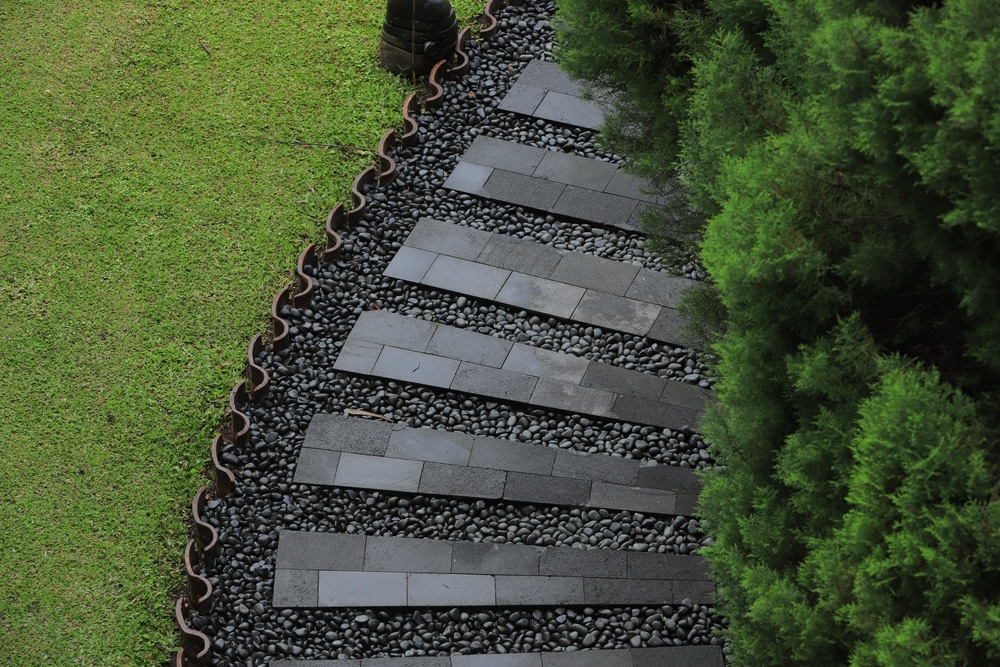
For example, a small patio can double as an outdoor dining area with built-in seating and planters. In Long Island commercial landscaping projects, defined zones help maintain a clean, professional appearance while maximizing usability. Using changes in material, such as pavers or gravel, helps visually separate spaces without adding clutter.
Incorporate Hardscape Elements Wisely
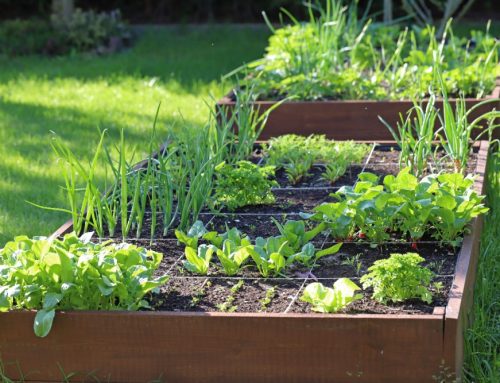
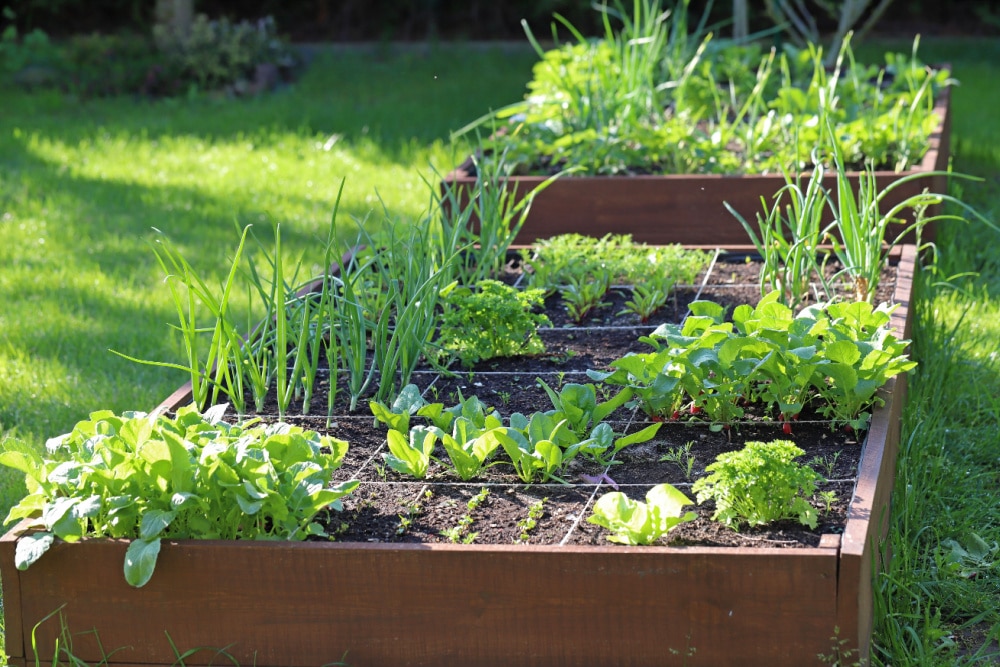
Hardscape features provide structure and durability in small gardens. Using compact patios, narrow walkways, and raised planters helps create clean lines and reduces maintenance. Hardscaping also prevents overcrowding by limiting planting areas and giving the eye places to rest.
In Westchester landscape lighting projects, hardscape elements are often paired with subtle lighting to enhance depth and visibility. In small gardens, lighting placed along paths or walls makes the space usable in the evening while adding visual interest. Choosing lighter-colored materials can also make the space feel more open.
Use Water and Lighting Strategically
Water features and lighting can elevate garden design ideas for small spaces when used thoughtfully. A compact fountain or wall-mounted water feature adds soothing sound without taking up much room. These features are especially effective in urban settings where they help mask background noise.
Lighting extends the usability of your garden and creates an atmosphere. Low-voltage LED fixtures are ideal for small spaces because they are energy-efficient and subtle. Pairing lighting with Nassau County irrigation systems ensures plants remain healthy while the garden remains visually appealing day and night.
Keep Maintenance Simple
Low-maintenance design is essential for small gardens. Choosing plants that require minimal pruning and efficient irrigation systems reduces upkeep while keeping the garden attractive. Drip irrigation and smart watering systems work well in confined spaces, delivering water directly where it’s needed.
Mulch and ground covers also help suppress weeds and retain moisture. In both residential and commercial landscapes, simple maintenance strategies keep small spaces looking polished without constant attention. The easier the garden is to maintain, the more enjoyable it becomes.
Make Small Spaces Feel Larger
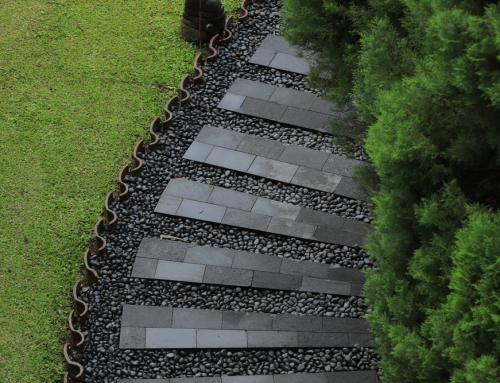
Design tricks can make small gardens feel more expansive. Using mirrors, reflective surfaces, or repeating patterns draws attention across the space. Diagonal pathways or asymmetrical layouts also create the illusion of added depth.
In rooftop gardens and courtyards, open sightlines and minimal barriers prevent the space from feeling boxed in. Strategic placement of plants and features encourages movement and exploration, even in compact areas.
Bringing Your Vision Together
Successful garden design ideas for small spaces combine creativity, functionality, and thoughtful planning. By using vertical elements, choosing the right plants, incorporating smart hardscaping, and simplifying maintenance, small outdoor spaces can deliver a big impact.
At Cerullo Landscape and Irrigation, we specialize in designing and maintaining landscapes of all sizes. From NYC rooftop irrigation to Nassau County irrigation systems and Westchester landscape lighting, our team creates tailored solutions that maximize every square foot. Contact us today to explore garden design ideas for small spaces and turn your outdoor area into something truly special.
Frequently Asked Questions
- Can a small garden still include seating?
Yes. Built-in seating, foldable furniture, or multi-purpose benches work well in compact spaces without overwhelming the layout. - What plants work best in small gardens?
Compact shrubs, perennials, ornamental grasses, and container-friendly plants are ideal for small spaces. - Is irrigation necessary for small gardens?
Yes, efficient irrigation systems help maintain plant health and reduce maintenance, even in small landscapes.



Leave A Comment
You must be logged in to post a comment.