
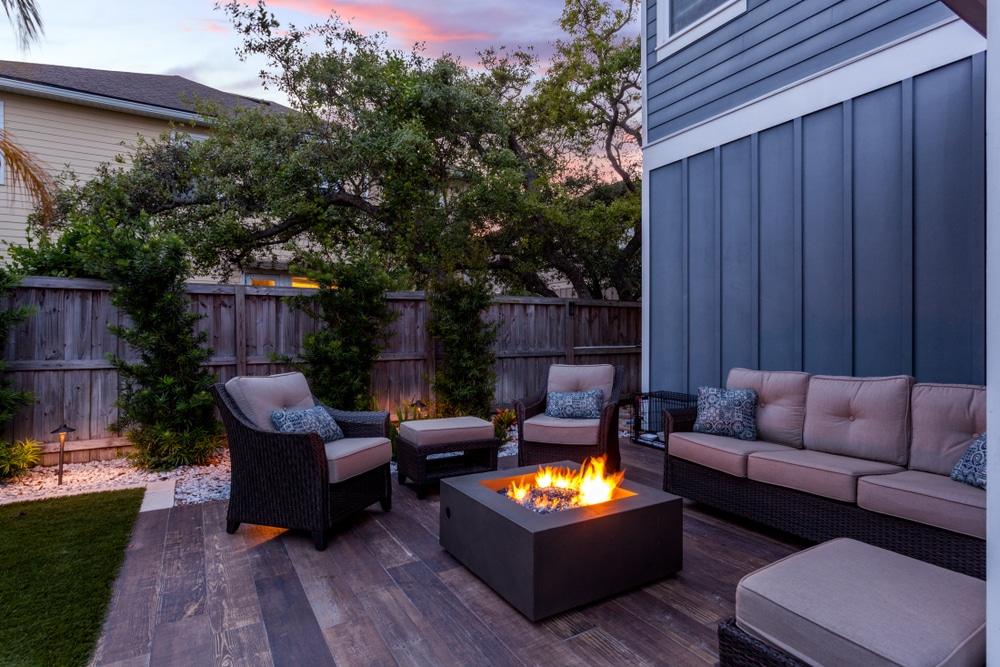
Adding a fire pit is one of the most effective ways to elevate your outdoor space and make it usable year-round. A well-planned residential fire pit creates a natural gathering place, bringing warmth, ambiance, and functionality to your yard. Whether you are designing a backyard in Nassau County, enhancing commercial landscaping on Long Island, or upgrading a patio in Westchester, a fire feature can completely transform the atmosphere. With thoughtful placement and design, a residential fire pit becomes both a focal point and a practical addition to your landscape.
Why a Fire Pit Enhances Outdoor Spaces
A residential fire pit adds more than just warmth—it creates an experience. The glow of a fire encourages conversation, relaxation, and longer evenings outdoors. For homeowners, it extends the use of outdoor living spaces into cooler months, making patios and gardens more versatile.
In commercial settings, fire features create an upscale, inviting environment for guests and clients. They are especially effective in Long Island commercial landscaping projects where creating memorable outdoor spaces is important. A residential fire pit also adds visual interest, acting as a central feature that draws people in.
Choosing the Right Fire Pit Style
There are several types of fire pits to consider, and the right choice depends on your space, style, and budget. The most common options include:
- Wood-burning fire pits: Traditional and rustic, offering the classic crackling fire experience.
- Gas fire pits: Clean, convenient, and easy to control with minimal maintenance.
- Built-in fire pits: Permanent structures that integrate seamlessly into your landscape design.
- Portable fire pits: Flexible options for smaller spaces or changing layouts.
For a residential fire pit, built-in designs are often the most popular because they provide durability and a polished, custom look. In NYC rooftop spaces, compact gas fire pits are often preferred for space and safety reasons.
Placement and Safety Considerations
Proper placement is critical when incorporating a residential fire pit into your landscape. It should be located a safe distance from structures, trees, and other flammable materials. At the same time, it should feel connected to your seating and entertaining areas.
Creating a dedicated zone for your fire pit helps define the space and improves safety. Non-combustible materials like stone or pavers are ideal for surrounding surfaces. In areas that utilize Nassau County irrigation systems, careful planning ensures water lines and plantings are not affected by heat exposure.
Designing Around Your Fire Pit
A successful residential fire pit design integrates with the rest of your landscape. Seating is one of the most important elements—arrange chairs, benches, or built-in seating to encourage conversation and comfort. Circular layouts are especially effective because they create a natural flow for gatherings.
Hardscape materials should complement the fire pit for a cohesive look. Stone, brick, and concrete pavers are popular choices that provide both durability and visual appeal. In Westchester landscape lighting projects, fire pits are often paired with subtle lighting to enhance the nighttime ambiance without overpowering the fire’s natural glow.
Enhancing the Experience with Lighting and Features
Lighting plays a supporting role in residential fire pit areas. Soft, low-level lighting helps define pathways and seating areas while maintaining a relaxed atmosphere. String lights, recessed lighting, and accent fixtures all contribute to a welcoming environment.
Additional features can further enhance your fire pit area. Built-in seating walls, outdoor kitchens, or nearby water features create a complete outdoor living experience. These elements work together to make your residential fire pit feel like an intentional part of the overall design rather than a standalone feature.
Maintenance and Long-Term Care
Maintaining a residential fire pit ensures it remains safe and visually appealing over time. Wood-burning fire pits require regular ash removal and cleaning, while gas fire pits need occasional inspections to ensure proper function. Using high-quality materials during installation reduces wear and extends the feature’s lifespan.
Seasonal care is also important, especially in New York’s climate. Covering your fire pit during harsh weather and performing routine checks will help protect your investment. Professional installation and maintenance can further ensure long-term reliability.
Bringing Your Outdoor Space Together
A residential fire pit adds warmth, character, and usability to any outdoor space. By choosing the right style, placing it thoughtfully, and designing around it with complementary features, you can create a space that invites people to gather and relax. From intimate backyard settings to larger commercial landscaping projects on Long Island, fire pits offer a timeless way to enhance outdoor living.
At Cerullo Landscape and Irrigation, we design and install residential fire pit features that blend seamlessly with your landscape. From Nassau County irrigation systems to Westchester landscape lighting, our team ensures every detail works together for a cohesive result. Contact us today to bring your fire pit vision to life!
Frequently Asked Questions
- Are fire pits safe for residential use?
Yes, when properly installed and placed with safe distances from structures and landscaping. - Do gas or wood fire pits cost more?
Gas fire pits typically have higher upfront costs but require less maintenance over time. - Can I add a fire pit to a small yard?
Yes, compact designs and portable options make it possible to include a fire pit in smaller spaces.







Leave A Comment
You must be logged in to post a comment.