
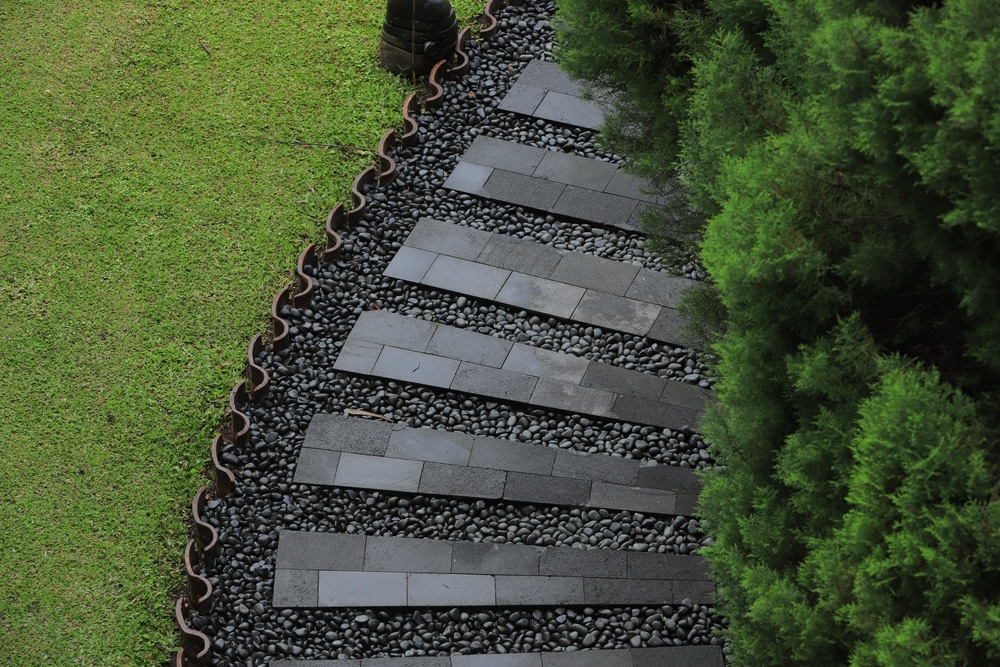
Rocks and stones in landscaping provide a timeless way to add texture, structure, and durability to outdoor spaces. Whether you are creating a modern backyard in Nassau County, upgrading Long Island commercial landscaping, or enhancing a rooftop garden in NYC, natural stone elements bring both beauty and function to the design. Unlike seasonal plantings, rocks and stones offer year-round visual appeal with minimal maintenance. From decorative gravel pathways to large retaining boulders, incorporating natural stone into your landscape can completely transform your property’s character. When planned correctly, rock landscaping creates balance, improves drainage, and enhances the overall usability of outdoor spaces.
Why Natural Stone Works in Landscaping
One of the biggest advantages of using rocks and stones in landscaping is durability. Unlike wood or mulch, stone materials withstand harsh weather conditions and maintain their appearance for years with little upkeep. In New York’s climate, where freezing temperatures and heavy rain can take a toll on outdoor spaces, natural stone provides a reliable, long-lasting solution.
Rocks and stones also add visual contrast. Pairing soft greenery with textured stone creates a balanced landscape that feels layered and intentional. In modern landscapes, sleek stone pathways and gravel beds provide a clean, minimalist appearance, while rustic gardens often benefit from irregular flagstone and natural boulders. The versatility of rocks and stones in landscaping makes them suitable for nearly every design style.
Creating Pathways and Walkways
Stone walkways are among the most popular uses of stone in landscaping. Pathways improve flow throughout the property while adding charm and structure. Materials such as flagstone, gravel, bluestone, and pavers are commonly used depending on the desired aesthetic and budget.
For residential properties, curved walkways soften the landscape and encourage movement through the garden. In Long Island commercial landscaping projects, wider stone pathways help direct foot traffic while maintaining a professional appearance. Gravel pathways are especially popular because they are cost-effective, permeable, and easy to maintain.
Lighting can further enhance stone walkways. Westchester landscape lighting projects often incorporate low-profile pathway lights that highlight textures and improve nighttime visibility. Combining lighting with natural stone creates a polished and welcoming environment.
Using Retaining Walls and Stone Borders
Retaining walls are both practical and decorative. They help manage elevation changes, reduce erosion, and create usable planting areas on sloped properties. Natural stone retaining walls blend seamlessly into landscapes while adding structure and depth.
Stone borders are another effective design element. They define planting beds, separate lawn areas, and create cleaner edges throughout the property. Rocks and stones in landscaping are especially useful for keeping mulch and soil contained while reducing maintenance.
In properties using Nassau County irrigation systems, stone borders help guide water flow and protect planting beds from runoff. Combining hardscape and irrigation planning ensures a landscape remains functional as well as attractive.
Decorative Gravel and Ground Cover
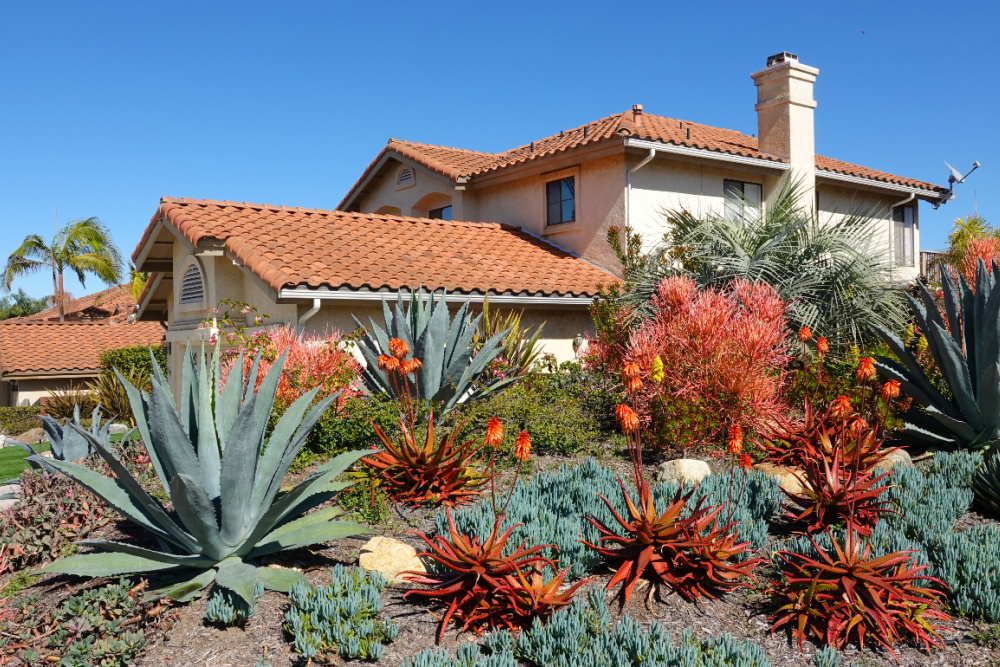
Decorative gravel is an increasingly popular alternative to traditional mulch. It comes in a variety of colors and textures, allowing homeowners to customize the look of their landscape. Gravel is particularly effective in drought-tolerant gardens and low-maintenance designs.
Using rocks and stones as ground cover in landscaping reduces weed growth and improves drainage. Unlike organic mulch, gravel does not decompose or require frequent replacement. In NYC rooftop irrigation projects, lightweight gravel materials are often used to reduce maintenance while maintaining a sleek, modern appearance.
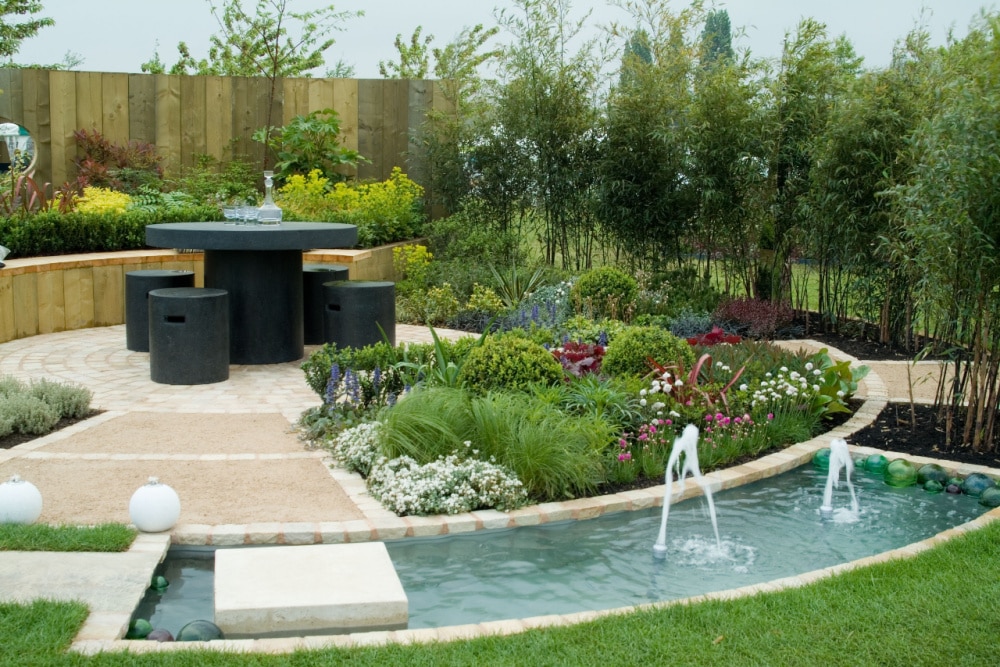
Gravel also works well around fire pits, water features, and seating areas. It creates visual contrast while providing a durable surface that withstands foot traffic and weather exposure.
Incorporating Boulders as Focal Points
Large boulders create natural focal points that anchor the landscape design. A strategically placed boulder can make a garden feel more organic and established, especially when paired with surrounding plants and lighting.
In residential landscapes, boulders are often used near entrances, water features, or garden beds to create visual interest. In Long Island commercial landscaping, larger stone features provide a sense of permanence and sophistication. The use of rocks and stones in landscaping becomes especially impactful when scale and placement are carefully considered.
Adding Westchester landscape lighting around boulders enhances their texture and presence after dark. Subtle uplighting creates dramatic shadows and highlights the stone’s natural beauty.
Improving Drainage with Stone Features
Rocks and stones in landscaping are not only decorative but also functional. Dry creek beds, gravel trenches, and river rock drainage systems help manage excess water and prevent erosion. These features direct runoff naturally while blending into the landscape design.
For properties prone to drainage issues, incorporating stone-based solutions protects both hardscape and plantings. Nassau County irrigation systems often work alongside drainage features to maintain proper water balance throughout the property. By combining aesthetics with functionality, stone elements help create a healthier and more sustainable landscape.
Pairing Stone with Plants and Greenery
While rocks and stones in landscaping provide structure, plants soften the overall look and create contrast. Ornamental grasses, evergreen shrubs, and flowering perennials pair especially well with stone materials. The combination of greenery and natural rock creates a balanced design that feels cohesive and inviting.
Layering plants around stone pathways or boulders helps integrate hardscape features naturally into the landscape. In smaller spaces, vertical gardens and stone planters maximize greenery without overcrowding the design.
The key is balance. Too much stone can make a landscape feel harsh, while too many plants may overwhelm the space. A thoughtful combination of both creates a polished and timeless outdoor environment.
Bringing Natural Stone into Your Landscape
The use of rocks and stones in landscaping adds texture, durability, and character to outdoor spaces of every size. From elegant walkways and retaining walls to decorative gravel and dramatic boulders, natural stone enhances both the beauty and functionality of a property. Whether you prefer a rustic, natural design or a sleek modern look, incorporating stone elements creates a landscape that remains visually appealing year-round.
At Cerullo Landscape and Irrigation, we specialize in designing landscapes that seamlessly combine hardscape, greenery, and functionality. From Nassau County irrigation systems to Westchester landscape lighting and Long Island commercial landscaping, our team creates outdoor spaces tailored to your vision. Contact us today to explore how landscaping rocks and stones can transform your property!
Frequently Asked Questions
- What type of stone works best for landscaping?
Flagstone, river rock, gravel, and bluestone are all popular choices depending on the design style and intended use. - Are stone landscapes low-maintenance?
Yes, rocks and stones generally require less maintenance than organic mulch or extensive lawn areas. - Can stones help with drainage problems?
Absolutely. Gravel, river rock, and dry creek beds are commonly used to improve drainage and reduce erosion.

Leave A Comment
You must be logged in to post a comment.