
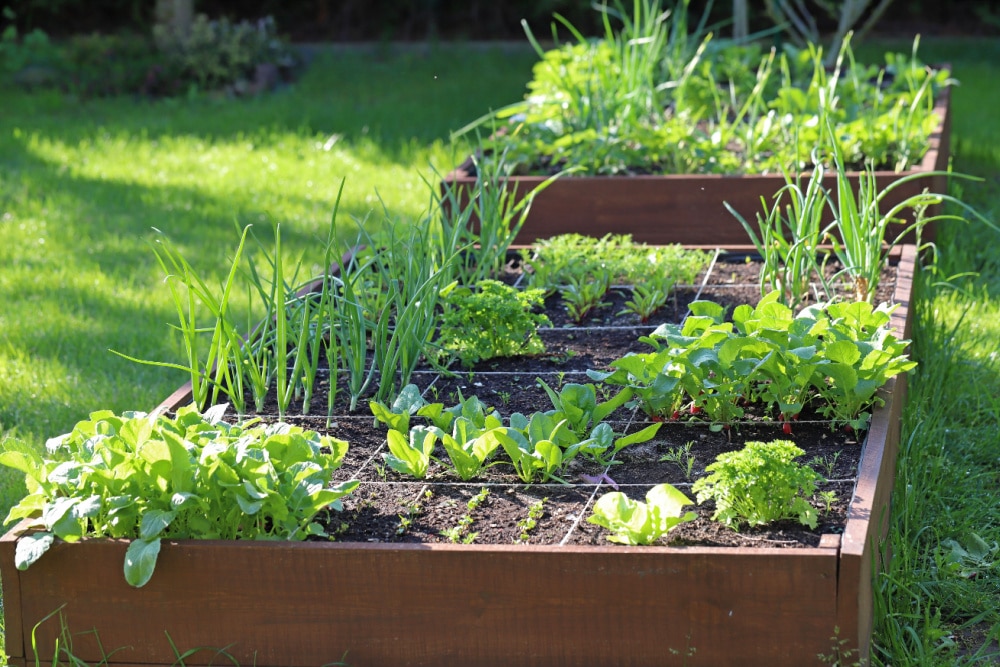
Gardening is one of the most rewarding ways to enhance your outdoor space, but not every property offers ideal soil or growing conditions. That’s where raised garden beds can make a significant difference. Whether you have a spacious backyard in Nassau County, a compact patio in Westchester, or a rooftop garden in NYC, raised garden beds provide a practical and attractive solution for growing flowers, vegetables, herbs, and ornamental plants. More homeowners and businesses are discovering that raised garden beds offer better control over soil quality, improve plant health, and create a cleaner, more organized landscape. When thoughtfully incorporated into your landscape design, raised garden beds combine beauty, functionality, and long-term value.
Why Raised Garden Beds Continue to Grow in Popularity
One of the biggest reasons homeowners choose raised garden beds is the level of control they provide. Unlike traditional in-ground gardens, raised beds allow you to fill the space with high-quality soil that is specifically suited to the plants you want to grow. This eliminates many of the challenges associated with poor native soil, including heavy clay, excessive sand, or compacted ground.
Raised beds also warm up more quickly in the spring, allowing gardeners to begin planting earlier in the season. The improved soil drainage helps prevent water from pooling around plant roots, reducing the likelihood of root rot and other moisture-related issues. These advantages make raised garden beds an excellent choice for gardeners of all experience levels.
Beyond their practical benefits, raised beds create a clean and organized appearance. Defined planting areas help separate flowers, vegetables, herbs, and shrubs while giving the landscape a polished, professional look.
Better Soil Means Healthier Plants
Healthy plants begin with healthy soil, and one of the greatest benefits of raised garden beds is the ability to control soil composition from the very beginning. Instead of trying to improve poor existing soil, you can build an ideal growing environment by selecting nutrient-rich topsoil, compost, and organic amendments.
This customized soil mixture promotes stronger root development and healthier plant growth. Better soil also improves water retention while maintaining excellent drainage, allowing plants to absorb nutrients more efficiently.
For homeowners who enjoy growing vegetables, herbs, or specialty flowers, raised beds create ideal conditions that often result in larger harvests and healthier blooms. The improved growing environment reduces stress on plants, making them more resistant to disease and environmental challenges.
Improved Drainage and Irrigation Efficiency
Water management is one of the most important aspects of successful gardening. Raised garden beds naturally drain more efficiently than traditional gardens because excess water flows downward instead of collecting around plant roots. This is especially valuable during periods of heavy rain.
Proper irrigation becomes even more effective when paired with professionally designed Nassau County irrigation systems. Drip irrigation installed within raised beds delivers water directly to the root zone, minimizing evaporation and reducing water waste. This targeted approach helps plants thrive while conserving resources.
For urban landscapes utilizing NYC rooftop irrigation systems, raised beds offer another advantage by allowing better management of lightweight growing media while preventing water from pooling on rooftop surfaces.
Easier Maintenance Throughout the Year
One reason many homeowners appreciate raised garden beds is that they significantly reduce routine maintenance. Because the growing area is elevated, gardeners spend less time bending, kneeling, and reaching while planting, watering, or harvesting.
Weed control also becomes much easier. Starting with clean soil dramatically reduces the number of weeds that appear, and the defined edges help prevent invasive grasses from spreading into the garden. Mulch can be applied more efficiently inside raised beds, further suppressing weeds while helping retain moisture.
Seasonal maintenance is simplified as well. At the end of each growing season, refreshing the soil with compost or organic matter is much easier than amending an entire in-ground garden.
Expanding Design Possibilities
Besides improving plant health, raised garden beds become attractive design features within the overall landscape. They can be constructed using natural stone, cedar, composite lumber, brick, or decorative concrete blocks to complement your home’s architectural style.
Some popular design ideas include:
- Creating symmetrical vegetable gardens near patios.
- Installing tiered raised beds on sloped properties.
- Building herb gardens close to outdoor kitchens.
- Using raised flower beds to frame walkways or entrances.
- Combining raised beds with seating walls to create multifunctional spaces.
In Long Island commercial landscaping projects, raised beds help organize entrances, define gathering areas, and create colorful displays that require relatively low maintenance.
Improving Accessibility for Every Gardener
Gardening should be enjoyable for everyone, regardless of age or physical ability. Raised garden beds improve accessibility by reducing the need to bend or kneel for extended periods. Taller raised beds can even be designed at wheelchair-accessible heights, allowing more people to participate in gardening activities comfortably.
For families, raised beds also create an excellent opportunity to introduce children to gardening. Clearly defined spaces make it easier for young gardeners to plant, water, and care for their own flowers or vegetables while learning about nature and responsibility.
The ability to customize the height and layout of raised beds makes them one of the most adaptable gardening solutions available.
Extending the Growing Season
Another advantage of raised garden beds is their ability to extend the growing season. Because the soil warms more quickly in spring, planting can begin earlier than in traditional gardens. During cooler months, protective covers or cold frames can easily be installed over raised beds to shield plants from frost.
This extended growing period is especially beneficial for vegetable gardens, allowing homeowners to enjoy fresh produce for a longer portion of the year. Herbs, leafy greens, and cool-season vegetables often perform exceptionally well in raised beds because of the controlled growing conditions.
Combined with efficient irrigation and proper maintenance, raised beds provide a productive gardening environment from early spring through late fall.
Pairing Raised Garden Beds with Other Landscape Features
Raised garden beds work beautifully alongside many other landscape elements. They complement patios, pergolas, outdoor kitchens, water features, and walkways while creating natural transitions throughout the yard.
Westchester landscape lighting can further enhance raised beds by illuminating flowers, shrubs, and garden paths during the evening. Soft lighting not only improves visibility but also highlights the textures and colors of plants after sunset.
Trees and ornamental shrubs surrounding raised beds add privacy and seasonal interest, creating a landscape that feels balanced and inviting throughout the year.
Investing in a Beautiful and Productive Landscape
The benefits of raised garden beds extend far beyond gardening alone. They improve soil quality, simplify maintenance, conserve water, enhance accessibility, and add visual appeal to your landscape. Whether your goal is growing vegetables, creating colorful flower displays, or simply organizing your outdoor space, raised beds provide a flexible and attractive solution.
At Cerullo Landscape and Irrigation, we help homeowners and businesses create custom raised garden beds that complement their property and lifestyle. Whether you’re installing Nassau County irrigation systems, upgrading Westchester landscape lighting, or planning a complete Long Island commercial landscaping project, our experienced team is ready to bring your vision to life. Contact Cerullo Landscape and Irrigation today to learn how professionally designed raised garden beds can transform your outdoor space!
Frequently Asked Questions
- What materials are best for raised garden beds?
Cedar, composite lumber, natural stone, and concrete blocks are among the most popular materials because they are durable, attractive, and long-lasting. - Do raised garden beds require more watering?
Raised beds may dry out slightly faster than traditional gardens, but efficient irrigation systems and mulch help maintain consistent soil moisture. - Can raised garden beds be installed on existing grass?
Yes. Raised garden beds can often be built directly over existing lawn areas after proper site preparation, making them an excellent option for quickly creating a new garden.



Leave A Comment
You must be logged in to post a comment.