
A healthy, attractive landscape requires more than beautiful plants and regular maintenance. Proper watering plays a major role in keeping lawns, gardens, trees, and shrubs thriving throughout the growing season. Whether you’re maintaining a residential backyard or managing a large commercial property, having the right irrigation system can make landscape care significantly easier. Professionally designed landscape irrigation systems provide consistent watering while helping property owners conserve water, reduce maintenance, and protect their landscaping investments.
From residential gardens in Nassau County to commercial properties across Long Island and Westchester, irrigation needs vary by property size, plant selection, soil conditions, and seasonal weather. Understanding the irrigation options available can help homeowners and businesses choose a system that supports long-term landscape health without wasting water.
Why Proper Irrigation Matters
Water is essential for healthy plant growth, but too much or too little can create serious problems. Underwatering can cause dry lawns, stressed shrubs, and weakened root systems, while overwatering can lead to root rot, fungal diseases, and poor soil conditions.
An effective irrigation system delivers the appropriate amount of moisture to different areas of a property. Instead of relying on manual watering, property owners can maintain a more consistent schedule that supports healthy growth.
For commercial landscapes, reliable irrigation is especially important. Large lawns, decorative planting beds, and high-traffic outdoor areas often require different watering approaches. A professionally planned system helps maintain an attractive appearance while reducing the time spent managing individual watering tasks.
Understanding Different Types of Irrigation Systems
Not every landscape requires the same watering method. The right system depends on the property’s layout, plant varieties, and maintenance needs.
Sprinkler Systems
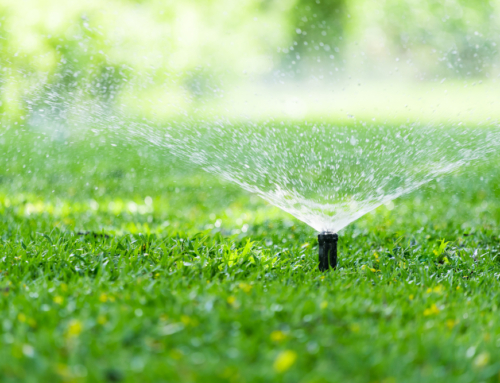
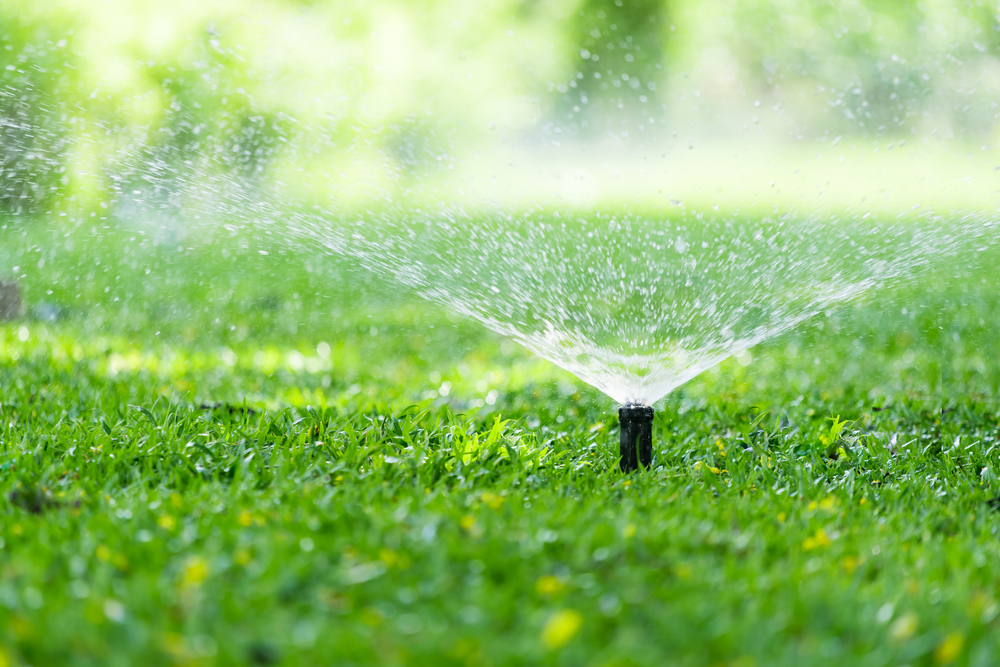
Sprinkler systems are commonly used for lawns and larger landscaped areas. They distribute water across designated zones, making them a practical option for properties with extensive grass coverage.
Pop-up sprinklers are popular because they stay below ground when not operating, preserving the lawn’s appearance and reducing interference with routine maintenance.
Drip Irrigation
Drip irrigation delivers water slowly and directly to plants’ root zones. This approach works particularly well for flower beds, shrubs, vegetable gardens, and other areas that benefit from targeted watering.
Because water is applied close to the soil, drip systems can reduce evaporation and minimize unnecessary runoff.
Micro-Irrigation
Micro-irrigation systems use small emitters, bubblers, or sprayers to deliver controlled water to individual plants or small landscaped areas.
These systems suit decorative gardens, container plantings, and properties with varied watering needs.
Smart Irrigation Systems
Modern landscape irrigation systems can use smart controllers that adjust watering schedules based on weather conditions, soil moisture, or seasonal needs.
These features help property owners maintain healthier landscapes while avoiding unnecessary watering during rainy periods.
Benefits of Residential Irrigation Systems
Homeowners often spend considerable time maintaining their lawns and gardens. A professionally designed irrigation system can simplify this responsibility while improving the landscape’s overall health.
One major advantage is convenience. Automatic watering schedules eliminate the need to move hoses and sprinklers around the yard, making it easier to maintain consistent moisture even during busy weeks or vacations.
Residential systems can also be divided into separate watering zones. For example, a sunny lawn may require more frequent watering than a shaded garden bed. Dividing these areas lets each section receive water based on its specific needs.
For Nassau County homeowners, properly installed irrigation systems can support everything from traditional lawns to ornamental gardens, raised planting beds, and newly installed landscaping.
Irrigation Solutions for Commercial Properties
Commercial landscapes often present more complex irrigation challenges than residential properties. Office buildings, retail centers, apartment communities, and other commercial spaces may include extensive lawns, multiple planting areas, walkways, and parking lots.
Manually maintaining these areas can be time-consuming and inefficient. Automated irrigation provides consistent coverage while allowing maintenance teams to focus on other landscaping responsibilities.
In Long Island commercial landscaping, irrigation systems can be zoned to accommodate different plant varieties and property conditions.
Commercial systems may also incorporate advanced controllers, flow sensors, and monitoring technology to identify unusual water usage or potential leaks. These features can help property managers control operating expenses while protecting valuable landscaping.
Improving Water Efficiency
Water conservation is a top priority when designing an irrigation system. An inefficient system may waste water through overspray, runoff, evaporation, or poorly timed watering schedules.
Several strategies can improve irrigation efficiency:
- Smart controllers: Adjust watering schedules based on changing conditions.
- Rain sensors: Prevent unnecessary watering during or after rainfall.
- Drip irrigation: Deliver moisture directly to plant roots.
- Proper zoning: Group plants with similar watering requirements.
- Routine inspections: Identify leaks, clogged emitters, and damaged sprinkler heads.
Combining these features helps reduce water waste while supporting healthier plants.
Efficient irrigation is particularly valuable for larger commercial properties, where even small improvements in water management can produce meaningful savings over time.
The Importance of Professional Irrigation Design
A successful irrigation system begins with careful planning. Simply installing sprinklers throughout a property does not guarantee effective watering.
Professional irrigation design considers several factors, including soil composition, property slope, sun exposure, plant varieties, and available water pressure. These details determine which irrigation methods will provide the most effective coverage.
For example, a sloped property may need specialized watering schedules to reduce runoff, while a garden with drought-tolerant plants may need less frequent irrigation.
Proper system layout also helps prevent sprinklers from spraying sidewalks, driveways, buildings, and other areas that do not require watering.
At Cerullo Landscape and Irrigation, we can coordinate irrigation planning with the overall landscape design to ensure watering systems complement existing and future plantings.
Irrigation for Rooftop Gardens and Urban Landscapes
Urban landscapes present unique watering challenges, particularly when gardens are located on rooftops, terraces, or other elevated spaces.
These environments often use container plants, raised planting beds, and specialized growing media that dry out faster than traditional garden soil.
NYC rooftop irrigation systems can use drip irrigation, automated controllers, and strategically placed emitters to maintain consistent moisture without wasting water.
Proper drainage is especially important on rooftops. Irrigation must align with the property’s drainage infrastructure and structural requirements to prevent water buildup.
A well-designed system lets urban property owners enjoy attractive greenery while keeping maintenance manageable.
Seasonal Irrigation Maintenance
New York’s changing seasons make irrigation maintenance particularly important. Systems must adjust throughout the year for temperature changes, rainfall, and plant growth.
Spring Startup
Before the growing season begins, inspect irrigation systems for winter damage. Check sprinkler heads, valves, controllers, and underground components to ensure everything operates correctly.
Summer Adjustments
During warmer months, irrigation schedules may need to change based on rainfall and soil moisture. Regular inspections help identify dry spots, overspray, and damaged components.
Fall Winterization
Before freezing temperatures arrive, properly winterize irrigation systems to protect pipes, valves, and other components from damage.
Professional winterization is especially important in New York, where freezing conditions can cause costly repairs if water remains trapped inside the system.
Combining Irrigation with Landscape Design
Consider irrigation an essential part of landscape planning rather than an add-on after installation.
When landscape irrigation systems are designed alongside planting beds, lawns, trees, and hardscape features, the finished property becomes easier to maintain.
For example, newly installed trees may require dedicated watering zones during establishment, while ornamental grasses and drought-tolerant shrubs may need less frequent irrigation.
Westchester landscape lighting can also be coordinated with irrigation installation so underground utilities are planned carefully and unnecessary disruption is minimized.
By considering irrigation, drainage, lighting, and planting requirements together, property owners can create a more functional and cohesive outdoor environment.
Choosing the Right Irrigation System for Your Property
The best irrigation solution depends on how the property is used and what types of plants need watering. A small residential garden may need only drip irrigation, while a large commercial property may benefit from a mix of sprinklers, drip zones, and smart controls.
Budget, long-term maintenance, water efficiency, and future landscape improvements should also influence the decision.
An experienced landscape professional can help ensure the system is appropriately sized and designed for the property’s specific requirements.
A properly installed system can provide years of dependable service while reducing the effort required to maintain a healthy, attractive landscape.
Invest in a Healthier, More Efficient Landscape
Whether you’re caring for a residential backyard or managing an extensive commercial property, reliable irrigation is an important part of successful landscape maintenance. The right system promotes healthy plant growth, conserves water, reduces manual watering, and helps protect your landscaping investment.
From automatic sprinklers and drip irrigation to advanced smart controllers, modern irrigation solutions offer flexibility for properties of nearly every size.
At Cerullo Landscape and Irrigation, we understand the importance of combining efficient watering with thoughtful landscape design. Our team provides landscaping and irrigation solutions for residential and commercial properties throughout Nassau County, Long Island, NYC, and Westchester.
Whether you’re installing a new system, improving an existing one, or planning a complete landscape renovation, Cerullo Landscape and Irrigation can help you create an outdoor space that stays beautiful and functional year-round. Visit our website to learn more about our services and discuss your irrigation needs!
Frequently Asked Questions
- What is the best irrigation system for a residential property?
The best option depends on the property’s size and landscaping. Sprinkler systems generally work well for lawns, while drip irrigation works well for flower beds, shrubs, and gardens. Many residential properties benefit from using both. - How often should commercial irrigation systems be inspected?
Commercial irrigation systems should be checked regularly throughout the growing season. Routine inspections help identify leaks, damaged sprinkler heads, and inefficient watering patterns before they become larger problems. - Can an irrigation system help reduce water bills?
Yes. A properly designed and maintained system can reduce unnecessary water use by delivering moisture where and when it is needed. Smart controllers, rain sensors, and efficient watering zones can further improve conservation.



Leave A Comment
You must be logged in to post a comment.