
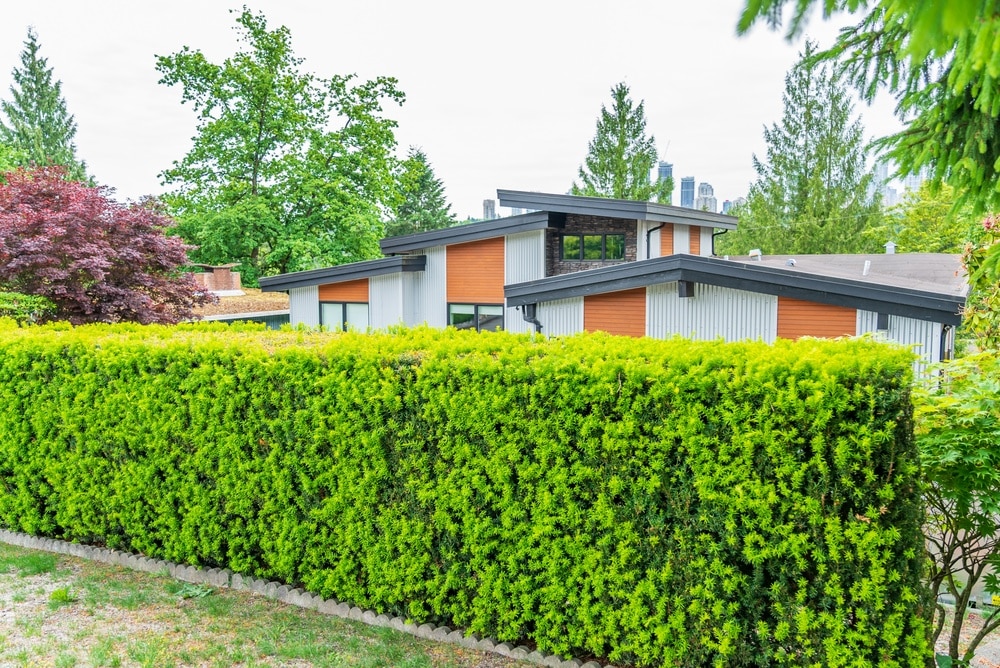
Your outdoor space should feel like an extension of your home—a place where you can relax, entertain, and spend time with family without feeling exposed to neighbors, pedestrians, or nearby traffic. Unfortunately, privacy can be difficult to achieve, especially on smaller properties or in densely populated neighborhoods. The good news is that thoughtful privacy landscaping can create separation without making your yard feel closed off or walled in.
Plants, trees, shrubs, fencing, hardscaping, and strategic landscape design can all work together to make an outdoor area feel more secluded. The right solution depends on your property size, how much privacy you need, and the overall look you want to achieve. Whether you’re improving a residential yard in Nassau County, planning commercial landscaping on Long Island, or creating a more private outdoor environment elsewhere in the New York area, you can achieve privacy while maintaining a beautiful, welcoming landscape.
Start by Identifying Where You Need Privacy
Before adding trees or installing a fence, determine exactly where you need privacy. Some homeowners want their entire backyard screened, while others only need to block one neighboring window, a busy road, or a particular sightline.
Spend some time looking at your property from different areas. Sit on the patio, stand near the outdoor dining area, and look through the windows facing the backyard. Consider what you can see—and what neighbors or passersby may be able to see from their perspective.
This approach can make privacy landscaping more efficient. Instead of surrounding the entire property with tall plants, you may discover that a strategically positioned group of shrubs or a small privacy screen solves the problem. Targeted solutions also help maintain an open feeling while giving you privacy where it matters most.
Use Trees and Shrubs as Natural Screens
Trees and shrubs are among the most attractive ways to establish privacy. Unlike a solid fence, plants provide a softer boundary that changes with the seasons and becomes more established over time.
Evergreens are particularly useful because they maintain their foliage year-round. Arborvitae, certain varieties of holly, juniper, and other dense evergreen plants can create an effective living screen when planted appropriately.
However, planting one long row of identical evergreens isn’t the only option. Layering different plants can create a more natural appearance. Taller trees can form the background, medium-sized shrubs can fill the middle layer, and ornamental grasses or flowering plants can soften the foreground.
When selecting plants, consider their mature size rather than how they look at the garden center. Plants placed too close together may become overcrowded as they grow, while plants spaced too far apart may never provide the coverage you expected. Professional planning helps ensure your privacy screen becomes fuller over time without creating future maintenance problems.
Create Privacy with Layered Plantings
Layering is one of the most useful tricks for creating privacy without making a landscape feel like a barrier. Rather than relying on a single hedge, a combination of trees, shrubs, ornamental grasses, and perennials creates depth and visual interest.
For example, a landscape might include taller evergreen trees toward the property line, flowering shrubs several feet in front of them, and lower ornamental grasses or perennials along the edge of a patio. The result provides substantial screening while still looking like an intentionally designed garden.
Layered privacy landscaping also provides more opportunities for seasonal color. Flowering shrubs can brighten spring and summer, ornamental grasses can add movement in fall, and evergreens can maintain structure throughout winter.
Using several plant varieties also reduces the risk of losing an entire privacy screen if one particular species develops a pest or disease problem. Diversity creates a landscape that is both visually interesting and more resilient.
Combine Fencing with Landscaping
Sometimes plants alone aren’t enough, especially when you need immediate privacy. Fencing provides instant screening and can then be softened with plants to create a more attractive finished landscape.
A fence doesn’t necessarily need to be extremely tall to be effective. Depending on the property’s layout, a moderately sized fence, combined with shrubs or climbing plants, may provide all the privacy you need.
Planting along a fence also helps prevent it from becoming visually overwhelming. Hydrangeas, ornamental grasses, evergreen shrubs, and flowering perennials can break up long stretches of fencing while adding texture and color.
For homeowners who prefer a more contemporary look, horizontal fencing paired with simple, structured plantings can create a clean, modern outdoor environment. Traditional properties may benefit from wood fencing surrounded by softer, more natural garden beds.
Add Privacy Around Patios and Outdoor Living Areas
You may not need to screen your entire backyard to make it feel private. Focusing on the areas where you spend the most time often yields better results.
Patios, pools, outdoor kitchens, fire pits, and dining spaces are excellent places to incorporate targeted privacy features. Tall planters, small ornamental trees, pergolas, decorative screens, and carefully positioned shrubs can make these spaces feel intimate without blocking the rest of the property.
Pergolas are particularly useful because they can provide a sense of enclosure without creating a completely solid structure. Climbing plants can be trained along trellises or pergola posts to provide additional screening.
Privacy around an outdoor living area can also make the space feel more like an outdoor room. Once you establish boundaries, furniture, lighting, and decorative features help complete the environment and make it more comfortable for everyday use.
Don’t Forget About Elevation and Sightlines
Privacy isn’t always a ground-level issue. A six-foot hedge may effectively block someone walking along the sidewalk but do very little to prevent a second-story window from overlooking your patio.
When planning privacy landscaping, consider both vertical and horizontal sightlines. Taller ornamental trees can help block elevated views while maintaining attractive foliage beneath their canopies. Pergolas and overhead structures can also provide additional coverage for patios and seating areas.
Elevation changes should also be considered. Properties on slopes may require taller screening in certain areas because neighboring homes sit higher. In these situations, retaining walls, elevated planting beds, and layered trees can work together to improve privacy.
Thinking in three dimensions helps create a solution that actually addresses the source of the problem rather than simply adding plants along the property line.
Incorporate Landscape Lighting Carefully
Landscape lighting can make a private backyard even more inviting after sunset, but placement matters. Excessively bright fixtures can illuminate your outdoor space in ways that make it feel more exposed rather than secluded.
Subtle Westchester landscape lighting can highlight trees, pathways, garden beds, and architectural features while preserving a comfortable atmosphere. Downlighting beneath trees, low pathway lights, and gentle accent lighting around patios can improve visibility without flooding the entire yard with light.
Lighting can also emphasize the layers within your privacy landscaping. Illuminating selected trees or shrubs creates depth after dark while keeping other areas of the property naturally subdued.
The goal should be to provide enough light for safety, entertainment, and visual interest without sacrificing the peaceful atmosphere you’ve worked to create.
Plan Irrigation for Privacy Plantings
Trees and shrubs used for screening need consistent care, particularly during their first few growing seasons. A privacy hedge that receives uneven watering may develop thin areas, discoloration, or inconsistent growth.
Properly designed Nassau County irrigation systems can deliver water according to the needs of different planting zones. Drip irrigation is particularly useful around shrubs and privacy beds because it delivers moisture directly to the root area while limiting unnecessary water loss.
Irrigation planning should happen alongside landscape planning, not as an afterthought. This is especially important when installing many new shrubs or trees at once. Providing plants with the right conditions from the beginning encourages stronger root development and helps your natural privacy screen establish more successfully.
For specialized environments such as urban terraces and rooftop gardens, professionally planned NYC rooftop irrigation can also make it easier to maintain container plants and other screening greenery.
Consider Privacy for Commercial Properties
Privacy isn’t limited to residential backyards. Businesses can also use landscaping to create more comfortable and visually appealing outdoor environments.
Restaurants with outdoor dining areas, apartment communities, office buildings, medical facilities, and other commercial properties may benefit from strategically placed trees, shrubs, screens, and planters. Thoughtful Long Island commercial landscaping can separate gathering areas from parking lots, neighboring properties, roadways, or service areas.
Natural screening can also conceal utilities, dumpsters, mechanical equipment, and other features that would otherwise distract from the property’s appearance.
The key is creating separation without negatively affecting visibility, accessibility, or safety. A professionally designed commercial landscape considers all of these needs while creating an attractive environment for employees, customers, residents, and visitors.
Avoid Common Privacy Landscaping Mistakes
One of the most common mistakes is choosing plants based solely on how they look when they’re young. A shrub that seems perfect today may eventually become far too large for its location. Understanding mature height and width prevents overcrowding and excessive pruning later.
Another mistake is planting a perfectly straight wall of one species without considering the rest of the landscape. While this can provide screening, it may look overly rigid depending on the property’s design. Mixing plants or staggering their placement often produces a softer result.
Homeowners should also avoid planting large trees too close to structures, utilities, walkways, or property lines. Roots and branches need adequate room to develop safely.
Finally, remember that privacy takes time when you’re relying on plants. Choosing healthy specimens, preparing the soil properly, providing consistent irrigation, and maintaining the landscape will help your screen fill in successfully.
Create a Private Outdoor Space That Still Feels Open
Effective privacy landscaping isn’t about hiding your property behind the tallest possible hedge. The best designs create comfortable separation while preserving the beauty, light, and openness that make outdoor spaces enjoyable in the first place.
By combining trees and shrubs with fencing, layered garden beds, pergolas, lighting, and other landscape features, you can create privacy exactly where you need it. Careful attention to sightlines, plant growth, irrigation, and long-term maintenance will ensure the landscape continues to serve its purpose as it matures.
Cerullo Landscape and Irrigation can help you develop a landscape that feels private without sacrificing style or functionality. From planting and landscape design to Nassau County irrigation systems, Westchester landscape lighting, NYC rooftop irrigation, and Long Island commercial landscaping, our team can coordinate the elements needed to create a cohesive outdoor environment. Contact Cerullo Landscape and Irrigation to discuss how privacy landscaping can make your property more comfortable, attractive, and enjoyable!
Frequently Asked Questions
- What are the best plants to use for landscape privacy?
Evergreen trees and shrubs are popular because they provide year-round coverage. Arborvitae, holly, juniper, and other dense plants may work well depending on the property’s conditions, available space, and desired appearance. - How long does it take for privacy landscaping to fill in?
It depends on the plant varieties, their initial size, growing conditions, and spacing. Faster-growing plants may provide substantial screening within several growing seasons, while others take longer to reach maturity. - Can I create privacy in a small backyard?
Yes. Small properties can use narrow-growing plants, decorative screens, trellises, tall planters, pergolas, and strategically placed shrubs to create privacy without taking up too much space.

Leave A Comment
You must be logged in to post a comment.