
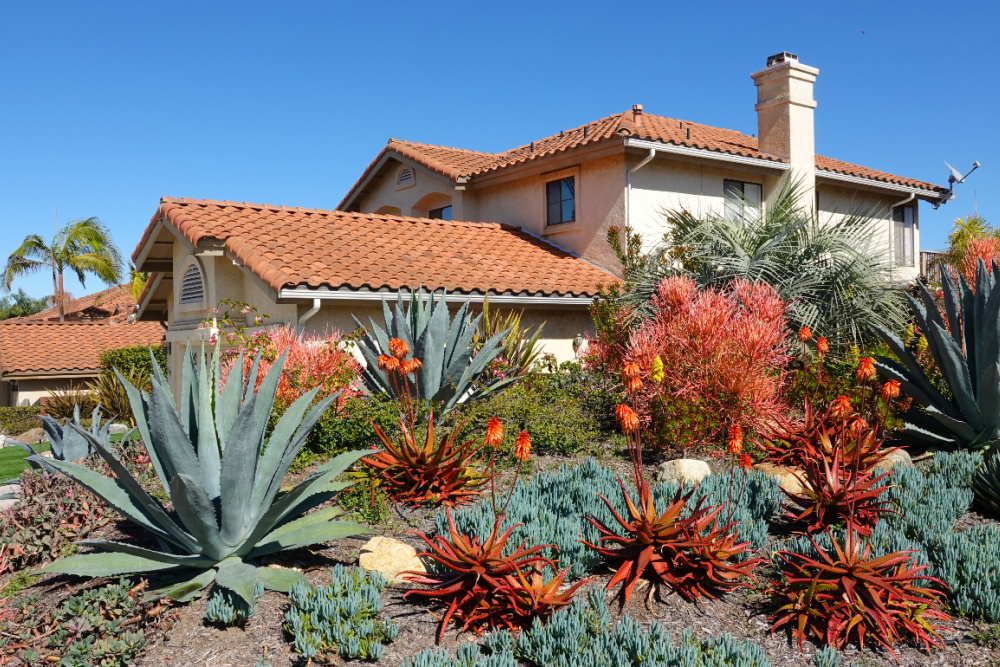
Creating a beautiful landscape doesn’t have to mean using large amounts of water to keep it healthy and vibrant. As homeowners and property managers become more conscious of water conservation and long-term maintenance costs, drought-resistant plants have become an increasingly popular choice for landscapes of every size. Whether you’re designing a residential garden in Nassau County, upgrading Long Island commercial landscaping, or maintaining a rooftop garden in NYC, choosing plants that thrive with less water is a smart investment. These resilient plants offer year-round beauty while reducing maintenance, conserving natural resources, and lowering utility costs.
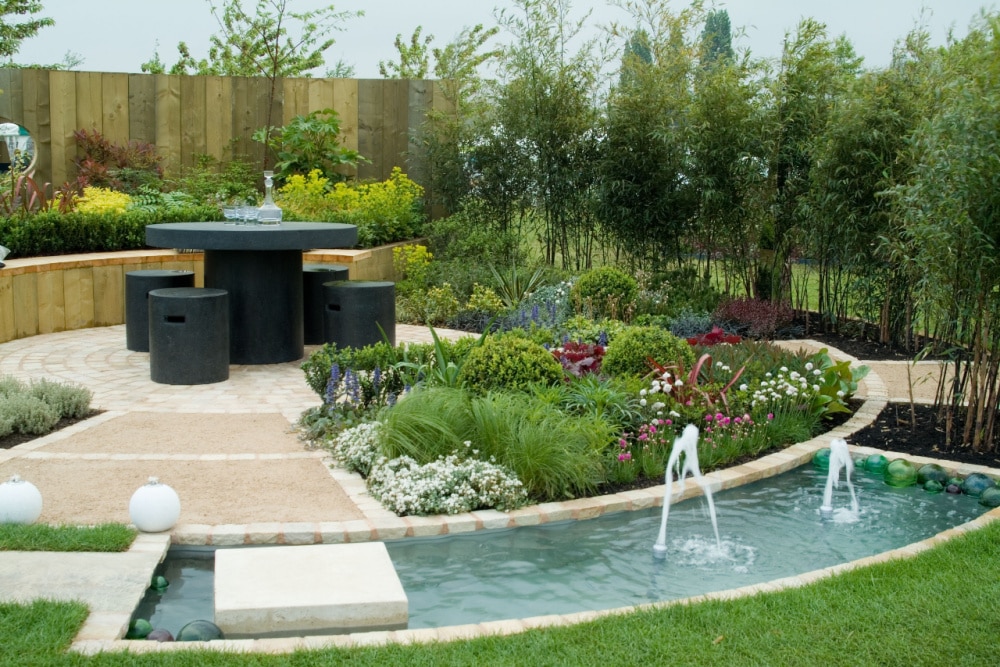
Many people mistakenly assume that drought-resistant landscapes look dry or sparse, but today’s plant selections prove otherwise. From colorful flowering perennials to attractive ornamental grasses and evergreen shrubs, countless options provide texture, color, and visual interest throughout the seasons. By incorporating drought-resistant plants into your landscape, you can create an outdoor environment that is both environmentally responsible and visually stunning.
Why Drought-Resistant Plants Are Growing in Popularity
One of the biggest advantages of drought-resistant plants is their ability to thrive with significantly less water than traditional landscape plants. Once established, many of these species require only occasional watering, making them an excellent solution for homeowners looking to reduce water usage without sacrificing curb appeal.
As weather patterns become increasingly unpredictable, landscapes that rely heavily on constant irrigation can become expensive to maintain. Choosing plants that naturally tolerate dry conditions creates a more resilient landscape that continues looking healthy even during periods of reduced rainfall.
For commercial properties, drought-resistant landscaping also helps reduce maintenance costs while presenting an attractive appearance throughout the year. Long Island commercial landscaping projects frequently incorporate drought-tolerant plants because they offer dependable performance with fewer resources.
Saving Water Without Sacrificing Beauty
One of the most obvious benefits of drought-resistant plants is water conservation. These plants have naturally adapted to survive with less moisture, allowing property owners to reduce irrigation needs significantly.
Professionally designed Nassau County irrigation systems can further maximize water efficiency by delivering moisture only where it’s needed. Combining efficient irrigation with drought-resistant plant selections creates a landscape that remains healthy while minimizing unnecessary water waste.
Fortunately, conserving water doesn’t mean limiting your design options. Many drought-tolerant plants produce colorful flowers, attractive foliage, and interesting textures that rival traditional landscape plants. Lavender, ornamental grasses, Russian sage, sedum, coneflowers, and many native shrubs provide beautiful displays while requiring minimal supplemental watering.
Lower Maintenance Throughout the Year
Another major advantage of using drought-resistant plants is reduced maintenance. Because these plants naturally adapt to challenging conditions, they generally require less frequent watering, fertilizing, pruning, and replacement than more delicate plant varieties.
This makes them an excellent choice for busy homeowners who want a beautiful yard without spending every weekend maintaining it. Commercial property managers also benefit from lower maintenance requirements, allowing landscaping crews to focus on routine upkeep rather than constant irrigation and plant replacement.
Adding mulch around drought-tolerant plants further improves moisture retention while suppressing weeds, creating an even lower-maintenance landscape that remains attractive throughout the growing season.
Choosing the Right Drought-Resistant Plants
Not all drought-resistant plants are the same, so selecting species that perform well in New York’s climate is important. Native plants often make excellent choices because they have naturally adapted to local weather conditions and typically require fewer inputs once established.
Some popular options include:
- Coneflowers
- Black-eyed Susans
- Lavender
- Russian sage
- Sedum
- Switchgrass
- Little bluestem
- Juniper
- Boxwood
- Inkberry holly
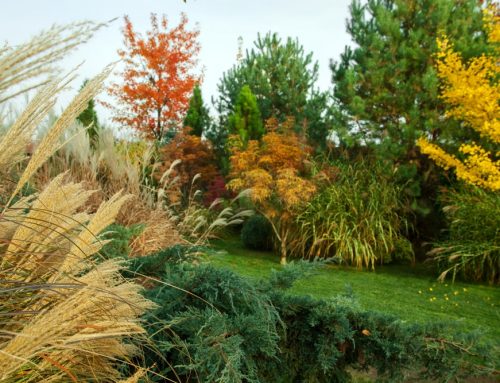
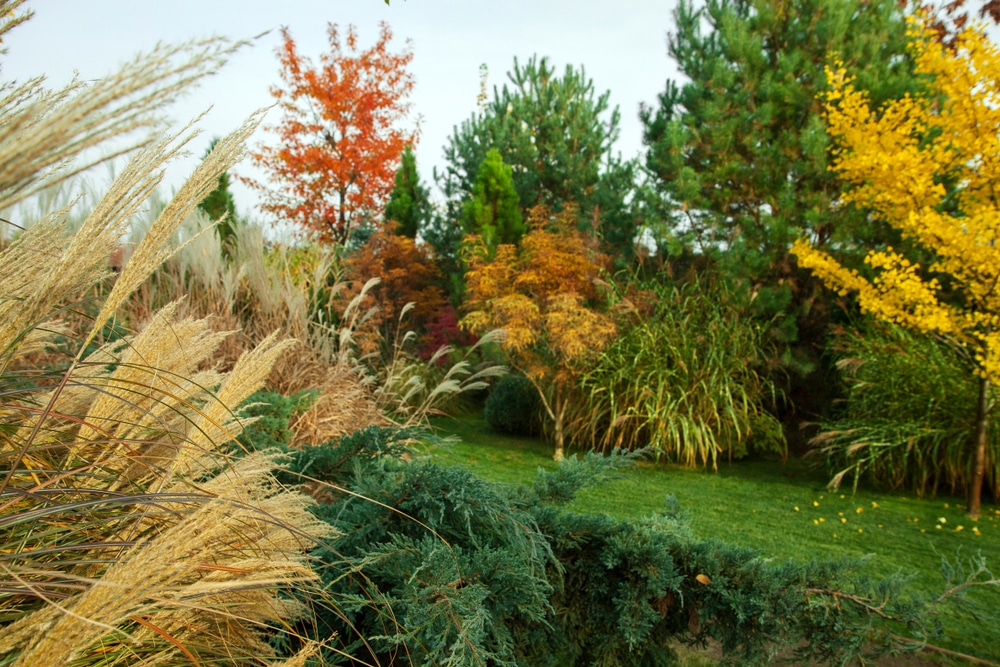
Mixing different heights, textures, and bloom times creates visual interest throughout the year. Combining evergreen shrubs with flowering perennials and ornamental grasses ensures your landscape remains attractive during every season.
Supporting Local Wildlife
Many drought-resistant plants also provide valuable habitat for pollinators and beneficial wildlife. Native flowering plants attract bees, butterflies, and hummingbirds while supporting healthy local ecosystems.
By incorporating pollinator-friendly species into your landscape, you not only enhance its appearance but also contribute to the health of surrounding natural environments. This balanced approach benefits both homeowners and the environment while creating a lively, ever-changing garden.
Commercial landscapes that include pollinator-friendly plants also demonstrate a commitment to environmental stewardship, which can positively influence customers and visitors.
Pairing Drought-Resistant Plants with Hardscaping
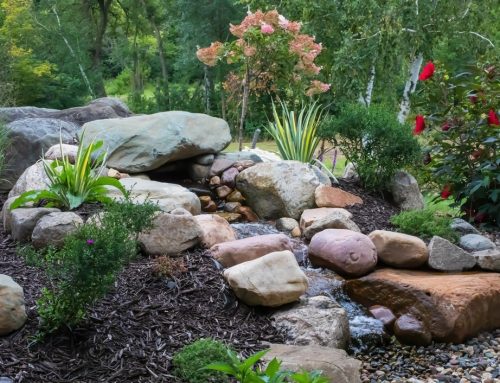
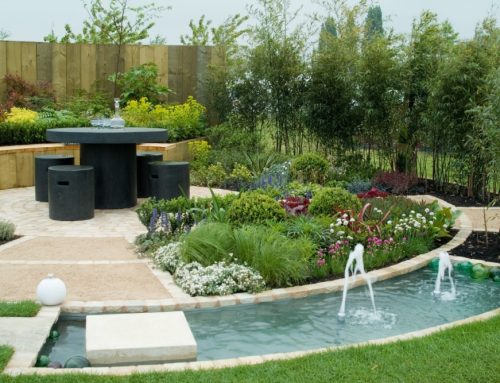
One of the best ways to showcase drought-resistant plants is by combining them with thoughtfully designed hardscape elements. Stone pathways, decorative gravel, retaining walls, and patios create attractive contrasts that highlight the natural beauty of drought-tolerant plantings.
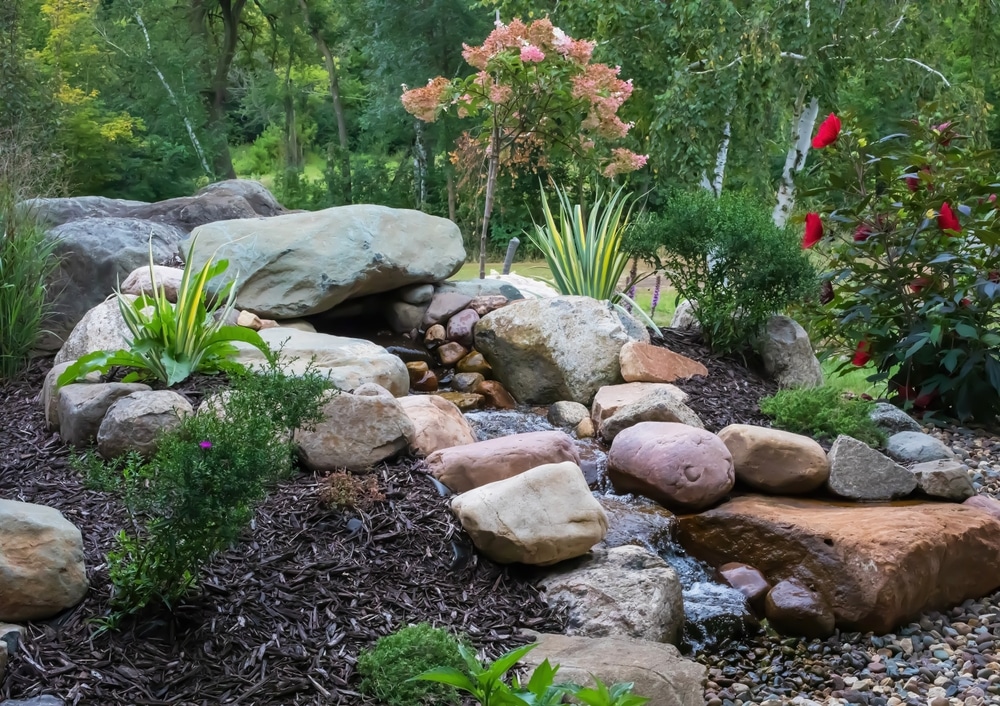
Decorative rock gardens are especially popular because they require very little maintenance while creating dramatic visual impact. Gravel mulch also helps reduce evaporation, allowing plants to retain moisture more effectively between waterings.
Westchester landscape lighting can further enhance these features during the evening hours by highlighting plant textures, ornamental grasses, and architectural shrubs with soft, energy-efficient illumination.
Efficient Irrigation Still Matters
Although drought-resistant plants require less water, they still benefit from proper irrigation during establishment and extended dry periods. Drip irrigation systems provide one of the most efficient watering methods because they deliver moisture directly to plant roots with minimal waste.
Professionally installed Nassau County irrigation systems can be programmed to deliver precise amounts of water based on seasonal needs and weather conditions. Smart irrigation technology also prevents overwatering while promoting healthier root development.
For rooftop gardens utilizing NYC rooftop irrigation systems, drought-tolerant plants are particularly valuable because they thrive in containers and shallow growing media while minimizing irrigation demands.
Increasing Long-Term Property Value
Landscapes designed with drought-resistant plants often provide long-term financial benefits. Lower water bills, reduced maintenance expenses, and fewer plant replacements all contribute to significant savings over time.
In addition, professionally designed drought-tolerant landscapes improve curb appeal and increase property value. Prospective buyers increasingly appreciate environmentally responsible landscapes that remain beautiful without requiring extensive upkeep.
For commercial properties, attractive low-maintenance landscapes project professionalism while helping control ongoing operating expenses.
Building a Landscape That Lasts
The benefits of drought-resistant plants extend far beyond water conservation. These resilient plants create beautiful landscapes that require less maintenance, support local wildlife, improve sustainability, and provide lasting value for homeowners and businesses alike. By carefully selecting drought-tolerant species and combining them with efficient irrigation, thoughtful hardscaping, and professional design, you can enjoy an outdoor space that remains vibrant for years to come.
At Cerullo Landscape and Irrigation, we specialize in designing sustainable landscapes that balance beauty with long-term performance. Whether you’re planning Nassau County irrigation systems, upgrading Westchester landscape lighting, enhancing Long Island commercial landscaping, or incorporating drought-resistant plants into your property, our experienced team is here to help. Contact Cerullo Landscape and Irrigation today to create a landscape that’s beautiful, efficient, and built to thrive.
Frequently Asked Questions
- Do drought-resistant plants require any watering?
Yes. Newly planted drought-resistant plants need regular watering while establishing their root systems. Once established, they typically require much less supplemental watering than traditional landscape plants. - Can drought-resistant plants still produce colorful flowers?
Absolutely. Many drought-tolerant plants, including coneflowers, lavender, black-eyed Susans, and Russian sage, produce vibrant blooms throughout the growing season. - Are drought-resistant landscapes more expensive to install?
Initial installation costs are often similar to traditional landscaping, but the long-term savings from reduced watering, maintenance, and plant replacement can make them more economical over time.

Leave A Comment
You must be logged in to post a comment.