
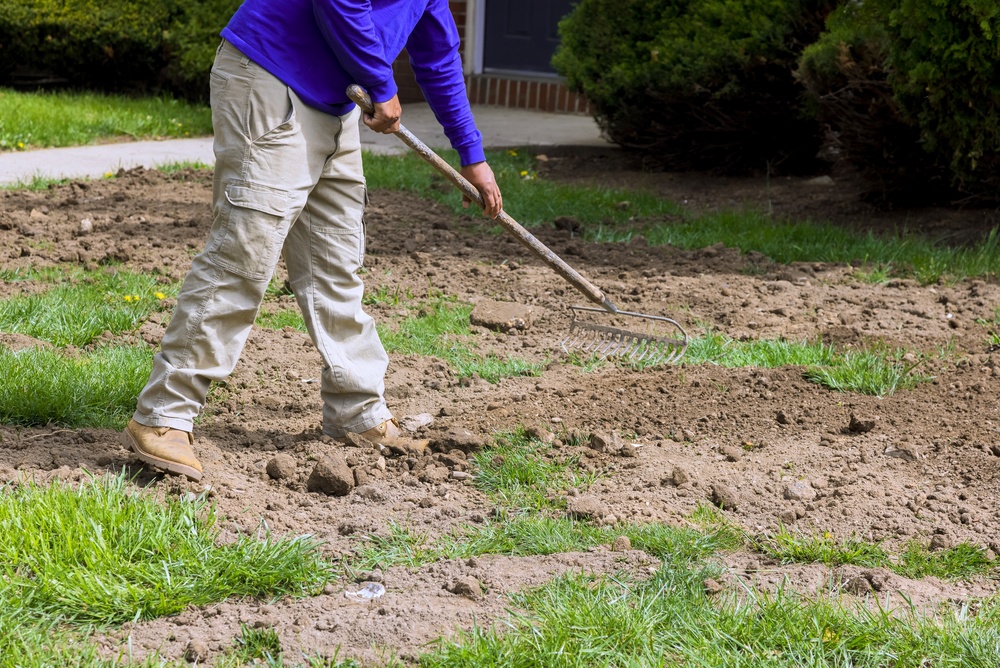
Creating a beautiful landscape involves more than selecting attractive plants, installing irrigation systems, and arranging decorative features. While these elements contribute to the appearance of an outdoor space, the foundation of every healthy landscape begins beneath the surface.
Soil plays a critical role in determining how well plants grow, how efficiently water is absorbed, and how successfully a landscape develops over time. Without proper soil preparation, even the most carefully designed landscape can struggle. Poor drainage, compacted soil, and nutrient deficiencies can prevent plants from establishing strong root systems, leading to unhealthy growth and unnecessary maintenance expenses.
At Cerullo Landscape and Irrigation, we understand that soil preparation for landscaping is one of the most important steps in creating a successful outdoor environment. By improving soil conditions before planting, property owners can establish a healthier foundation that supports long-term growth.
Why Soil Preparation Matters
Healthy soil provides plants with the nutrients, moisture, oxygen, and physical support they need to grow. When soil conditions are balanced, roots can spread more easily, water can reach the appropriate depth, and beneficial microorganisms can support plant health.
However, not all soil naturally provides ideal growing conditions. Some properties have heavy clay soil that retains too much water, while others contain sandy soil that drains quickly and struggles to retain nutrients.
Proper soil preparation for landscaping helps address these challenges before plants are installed.
The benefits include:
- Stronger root development
- Improved water absorption
- Better nutrient availability
- Healthier plant growth
- Reduced soil compaction
- Improved drainage
- More efficient irrigation
Taking the time to prepare soil correctly can prevent common landscaping problems and contribute to a more sustainable outdoor environment.
Understanding Different Soil Types
Before preparing soil, it is important to understand its composition. Different soil types have unique characteristics that influence drainage, nutrient retention, and plant growth.
Clay Soil
Clay soil contains fine particles that hold moisture and nutrients effectively. However, these particles can become tightly packed, restricting airflow and drainage. Plants growing in heavily compacted clay may experience poor root development or waterlogged conditions.
Sandy Soil
Sandy soil contains larger particles that allow water to drain quickly. While this helps prevent waterlogging, it can also cause nutrients and moisture to move beyond the reach of plant roots.
Loamy Soil
Loamy soil contains a balanced mixture of sand, silt, and clay. It generally provides good drainage while retaining enough moisture and nutrients to support healthy plant growth.
At Cerullo Landscape and Irrigation, understanding existing soil conditions is an important part of developing a landscape that supports healthy vegetation.
The Importance of Testing Your Soil
Soil testing provides valuable information about the conditions beneath your landscape, allowing you to make informed decisions before planting.
A soil test may evaluate:
- Soil pH
- Nutrient levels
- Organic matter content
- Soil texture
- Salinity
Why Soil pH Matters
Soil pH measures how acidic or alkaline the soil is. This measurement influences how easily plants can absorb essential nutrients.
Different plants thrive within different pH ranges. If the soil is too acidic or alkaline, nutrients may become less available even when they are present.
Identifying Nutrient Deficiencies
Plants require nutrients such as nitrogen, phosphorus, and potassium to support healthy growth.
When soil lacks essential nutrients, plants may develop yellowing leaves, weak stems, or slow growth. Testing helps determine which nutrients are needed and can prevent unnecessary fertilizer applications.
Improving Soil Structure and Drainage
Soil structure refers to how soil particles are arranged and how easily water, air, and roots can move through the soil.
Healthy soil contains spaces that allow oxygen and moisture to reach plant roots. When soil becomes compacted, these spaces shrink, making it difficult for plants to establish themselves.
Addressing Soil Compaction
Compacted soil is common in areas with frequent foot traffic, construction activity, or heavy equipment use.
Signs of soil compaction include:
- Water pooling on the surface
- Slow drainage
- Difficulty digging
- Poor plant growth
- Shallow root systems
Depending on the landscape, compacted soil may benefit from aeration, careful loosening, or the addition of appropriate organic materials.
Improving Drainage
Poor drainage can cause water to accumulate around roots, limiting oxygen availability and increasing the risk of root rot.
Potential improvements include adjusting landscape grading, correcting irrigation practices, improving soil structure, or installing appropriate drainage systems.
Proper soil preparation for landscaping helps create conditions where roots can grow deeper and access the resources they need.
Adding Organic Matter to Improve Soil Health
Organic matter is one of the most valuable components of healthy soil. Materials such as finished compost can improve soil structure, support beneficial microorganisms, and help regulate moisture.
Adding compost can:
- Improve water retention in sandy soils
- Support better soil structure
- Increase organic matter
- Provide nutrients gradually
- Encourage beneficial soil organisms
However, excessive amendments can create drainage or nutrient problems, particularly when they are not suited to existing soil conditions.
At Cerullo Landscape and Irrigation, we recognize that successful landscaping requires selecting soil improvements based on the specific needs of each property.
How Soil Preparation Supports Efficient Irrigation
Soil conditions directly influence how water moves through a landscape.
In sandy soil, water may drain quickly beyond the root zone. In compacted clay soil, water may collect near the surface or run off before being absorbed.
An effective irrigation system should account for:
- Soil texture
- Drainage rates
- Plant water requirements
- Sun exposure
- Landscape slope
- Seasonal weather conditions
For example, clay soils may benefit from shorter watering cycles with breaks between applications, allowing water to soak in rather than run off.
Sandy soils may require different watering schedules because moisture moves through them more quickly.
Cerullo Landscape and Irrigation helps property owners understand how landscape design, soil conditions, and irrigation work together to support healthier outdoor spaces.
Preparing Soil Before Planting
Once soil conditions have been evaluated, the preparation process can begin. Although specific techniques vary by property, several steps are commonly involved.
1. Remove Debris and Unwanted Vegetation
Remove rocks, construction debris, weeds, and other materials that could interfere with root development.
2. Evaluate Existing Soil Conditions
Check the soil’s texture, drainage, compaction, and nutrient levels to determine whether improvements are needed.
3. Address Compaction
Where appropriate, loosen compacted soil to improve root penetration and water movement.
4. Incorporate Suitable Amendments
Add compost or other recommended materials when soil testing and site conditions indicate that they would be beneficial.
5. Establish Proper Grading
Make sure the landscape directs excess water away from buildings and areas vulnerable to flooding.
6. Prepare Planting Areas
Create appropriate planting spaces based on the root requirements of the selected plants.
Following these steps can help establish a healthier foundation for new landscaping projects.
Choosing Plants That Match Your Soil
Even well-prepared soil may not support every plant equally. Different plant species have different preferences for drainage, moisture, and nutrient availability.
For example, drought-tolerant plants often perform best in well-draining conditions, while other plants may tolerate heavier or consistently moist soils.
Choosing plants that naturally suit the existing soil can reduce maintenance requirements and improve long-term success.
For Southern California landscapes, selecting climate-appropriate plants is particularly important because of seasonal heat and limited rainfall.
Proper soil preparation for landscaping works best when combined with thoughtful plant selection and efficient irrigation practices.
Common Soil Preparation Mistakes to Avoid
While preparing soil can significantly improve landscape performance, certain mistakes can create unnecessary problems.
Skipping Soil Testing
Adding fertilizer or amendments without understanding existing soil conditions can lead to nutrient imbalances.
Overworking the Soil
Excessive tilling can disrupt soil structure and beneficial organisms, particularly when the soil is too wet.
Ignoring Drainage Problems
Installing plants before correcting drainage issues may lead to root damage and poor growth.
Using the Wrong Amendments
Not every soil benefits from the same materials. Amendments should be selected based on soil conditions and plant requirements.
Planting Too Deeply
Even healthy soil cannot compensate for improper planting depth. Installing plants too deeply can contribute to root problems and poor establishment.
Avoiding these mistakes helps protect the time and money invested in a landscaping project.
The Long-Term Benefits of Proper Soil Preparation
Although soil preparation requires time and planning, its benefits extend well beyond the initial installation.
A properly prepared landscape can provide:
- Healthier plants
- Stronger root systems
- More efficient water use
- Reduced maintenance requirements
- Improved resistance to environmental stress
- Better long-term landscape performance
Healthy soil also supports beneficial organisms that contribute to nutrient cycling and overall soil quality.
For homeowners and commercial property owners, these benefits can translate into a more attractive landscape with fewer preventable problems.
At Cerullo Landscape and Irrigation, we believe investing in the foundation of a landscape is just as important as selecting its visible features.
Why Professional Landscape Planning Makes a Difference
Preparing soil may appear straightforward, but different properties often require different solutions.
A landscape with heavy clay, poor drainage, and compacted soil requires a different approach than one with sandy soil and rapid water loss.
Professional landscape planning helps evaluate these conditions before installation begins. An experienced landscaping team can assist with soil assessment, drainage considerations, irrigation planning, and plant selection to create a cohesive outdoor environment.
Rather than treating soil preparation as a separate task, professional planning considers how every component of the landscape works together.
Final Thoughts on Soil Preparation
A beautiful, successful landscape begins with healthy soil. Without proper preparation, plants may struggle to establish strong roots, absorb nutrients, or receive the right amount of water.
By understanding soil composition, improving drainage, addressing compaction, and selecting appropriate plants, property owners can create outdoor spaces that remain healthier and more attractive over time.
Soil preparation for landscaping is an investment in the long-term success of your property. Taking the time to establish the right foundation can help prevent common landscaping problems and support years of healthy growth.
If you are planning a new landscape or looking to improve an existing outdoor space, Cerullo Landscape and Irrigation is here to help. Call us or visit our website to learn more about our professional landscaping and irrigation services, and discover how proper soil preparation can help bring your landscape to life!
Frequently Asked Questions
1. Why is soil preparation important before landscaping?
Soil preparation improves growing conditions by addressing compaction, drainage, nutrient availability, and soil structure. These improvements help plants establish stronger root systems and support healthier long-term growth.
2. What is the best way to improve poor soil for landscaping?
The best approach depends on existing soil conditions. Soil testing can help identify nutrient deficiencies, pH concerns, and other problems. Depending on the results, improvements may include adding compost, correcting drainage, or addressing compaction.
3. How far in advance should soil be prepared before planting?
Ideally, soil should be evaluated and prepared before plants are installed. Some improvements can be completed shortly before planting, while larger drainage corrections or soil adjustments may require additional planning and time.

Leave A Comment
You must be logged in to post a comment.