
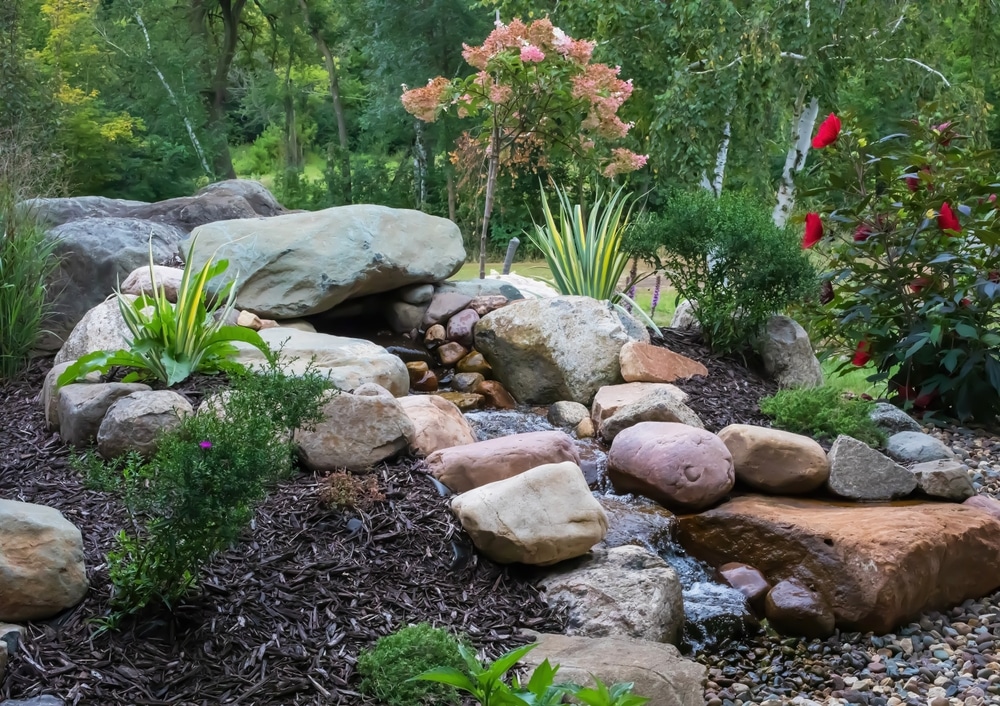
Landscaping is often associated with lawns, flowers, trees, and shrubs, but some of the most interesting outdoor spaces also incorporate natural stone. Boulders and rock formations add texture, dimension, and structure to a landscape while creating features that stay attractive year-round. Whether used as a dramatic focal point or subtly incorporated into a garden bed, landscape boulders can make an outdoor space feel established and connected to its natural surroundings.
Unlike plants, which change throughout the seasons and require ongoing maintenance, rocks provide permanent structure. They can complement traditional gardens, modern properties, wooded landscapes, and commercial spaces alike. The key is choosing the right materials, sizes, and placement so the finished design looks natural rather than simply appearing as though rocks were placed randomly throughout the yard.
Why Use Boulders in a Landscape?
One of the greatest advantages of boulders is their ability to create visual interest without requiring significant ongoing maintenance. Once properly installed, they can remain in place for decades while withstanding rain, snow, wind, heat, and freezing temperatures.
Landscape boulders can also help break up large areas of greenery. A lawn surrounded by shrubs may look attractive, but introducing natural stone provides contrast in color and texture. The rough surface of a boulder looks especially striking alongside soft ornamental grasses, flowering perennials, and dense evergreen shrubs.
Boulders are also incredibly versatile. Depending on their placement, they can serve decorative or practical purposes—or both.
Create a Natural Focal Point
Large boulders immediately attract attention, making them ideal focal points. A single carefully selected stone can anchor a garden bed, while a small grouping of rocks can create the appearance of a naturally occurring formation.
Scale is important when choosing a focal point. A very small rock can disappear visually within a large property, while an oversized boulder may overwhelm a compact garden. Selecting a size that complements the surrounding landscape helps the feature feel balanced.
Placement matters just as much. In nature, boulders rarely sit perfectly on top of the ground. Partially setting landscape boulders into the soil makes them look as though they have always been part of the property. Surrounding them with plants can further soften their edges and integrate them into the landscape.
Build Beautiful Rock Gardens
Rock gardens let you combine stone with carefully selected plants for a lower-maintenance outdoor feature. Instead of filling an entire area with dense plantings, larger rocks can provide structure while smaller stones, gravel, and plants fill the spaces between them.
A successful rock garden usually includes variation. Using rocks of different sizes creates a more natural appearance, while repeating similar stone colors keeps the overall design cohesive.
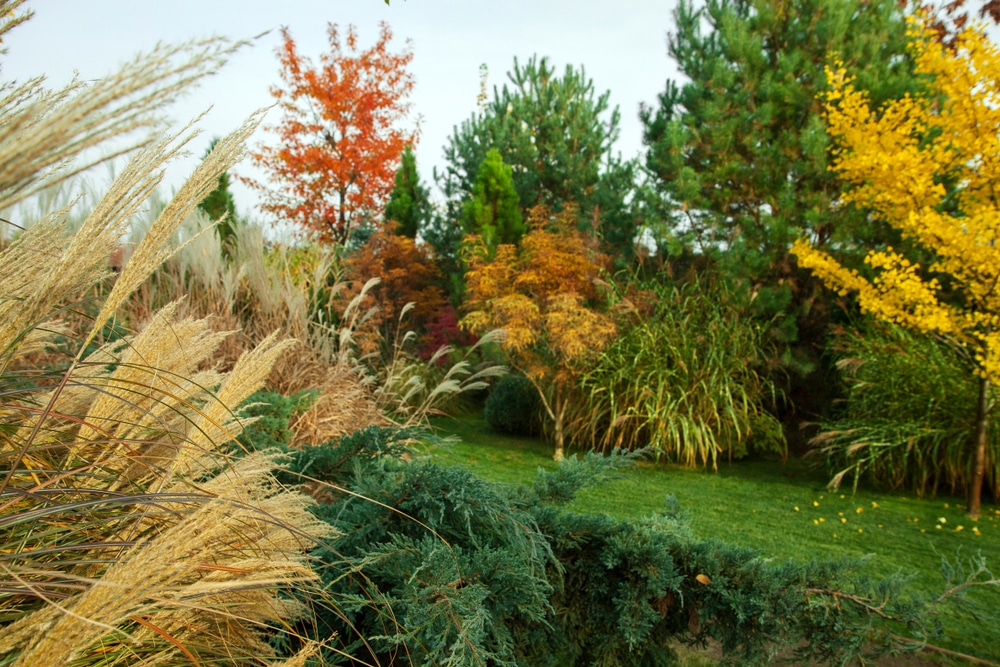
You can then select plants to contrast with the hard surfaces. Ornamental grasses introduce movement, while low-growing ground covers can spread around the base of larger rocks. Flowering perennials add seasonal color without hiding the stone formations.
Rock gardens can be particularly useful in areas where traditional lawns or garden beds are difficult to maintain. They can also reduce mowing and routine plant maintenance.
Manage Slopes and Changes in Elevation
Boulders aren’t limited to flat landscapes. In fact, properties with slopes and elevation changes often offer some of the best opportunities to incorporate stone.
Large rocks can help visually connect different elevations while creating a natural transition between upper and lower areas. When professionally planned, stone formations can also complement retaining walls and other erosion-control features.
For properties with significant drainage concerns, however, plan stone placement carefully. Water needs a clear path through the landscape, and improperly positioned materials can redirect runoff toward buildings or other unwanted areas.
Combining rock features with professionally designed Nassau County irrigation systems and drainage solutions helps ensure the finished landscape manages water effectively, rather than creating new problems.
Combine Boulders with Water Features
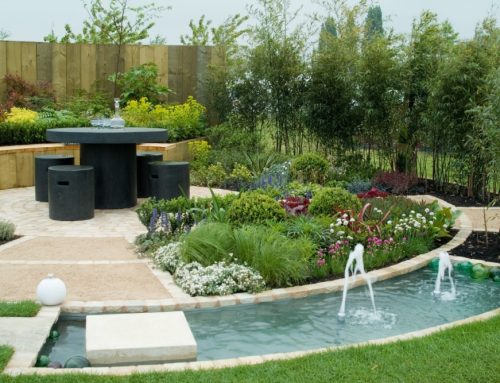
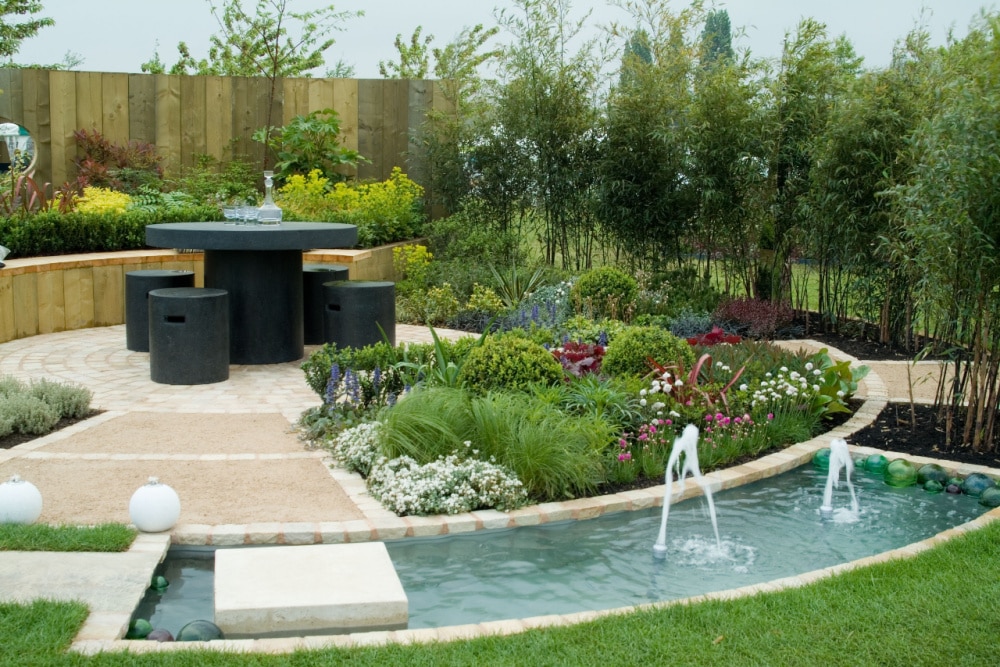
Stone and water naturally complement one another, making boulders an excellent addition around ponds, fountains, waterfalls, and other water features.
A waterfall surrounded by carefully arranged landscape boulders can look like a natural stream rather than a constructed feature. Smaller river rocks and gravel can then transition between the large stones and surrounding plants.
Even without a large pond, you can incorporate rocks into smaller fountains or bubbling water features. Water moving against natural stone creates sound, texture, and visual interest while establishing a relaxing atmosphere.
Stone can also help disguise mechanical components associated with certain water features, keeping pumps, tubing, and other equipment from distracting from the overall landscape.
Use Rocks to Define Outdoor Spaces
Rock formations can create subtle boundaries without fencing or walls. Larger stones can mark the edge of a garden, separate lawn areas from planting beds, or help define an outdoor living area.
They can also be used near patios, fire pits, and walkways to create transitions between hardscape and planted areas. Instead of letting a patio end abruptly against a lawn, strategically placed boulders and plants can soften the edge.
For Long Island commercial landscaping, natural stone can serve a similar purpose around entrances, walkways, gathering areas, and parking lots. Boulders provide visual separation while adding an attractive architectural element that requires minimal upkeep.
Pair Stone with the Right Plants
The plants surrounding a rock formation can dramatically influence its appearance. Dense plantings may make boulders feel like subtle background elements, while sparse plantings allow the stone itself to become the focus.
A few combinations that work particularly well include:
- Ornamental grasses around large natural boulders
- Low-growing ground covers between smaller rocks
- Evergreen shrubs for year-round structure
- Flowering perennials for seasonal color
- Small ornamental trees behind rock formations
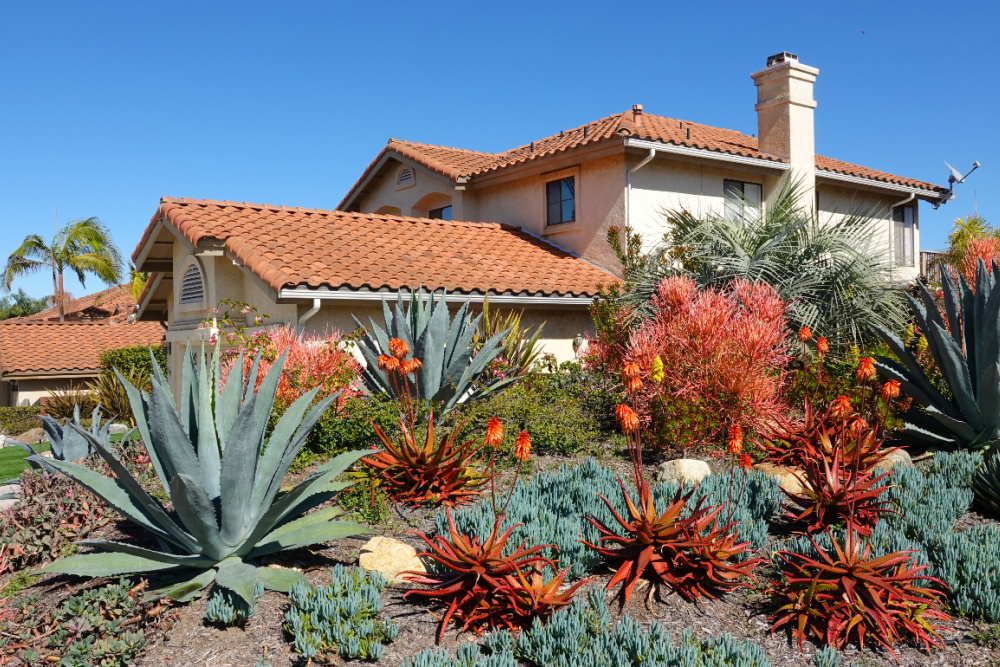
- Drought-tolerant plants in gravel and stone gardens
Also consider mature plant size. A small shrub planted beside a boulder may eventually grow large enough to hide it completely. Planning for future growth helps preserve the intended balance between stone and greenery.
Proper irrigation supports these plantings as they become established. Efficient Nassau County irrigation systems can be designed around rock gardens and other hardscape features so plants get the right moisture without unnecessary water waste.
Highlight Rock Formations with Landscape Lighting
Natural stone becomes especially dramatic after sunset when paired with thoughtful lighting. Westchester landscape lighting can highlight the texture and shape of boulders while creating depth throughout the property.
Rather than lighting every rock, focusing on one or two important formations often produces a more sophisticated effect. A fixture positioned near the base of a large boulder can emphasize its uneven surface, creating shadows that aren’t noticeable during daylight.
Lighting can also illuminate nearby plants, allowing stone and greenery to work together as a nighttime focal point. Around pathways and outdoor living areas, subtle illumination improves visibility while enhancing the landscape’s atmosphere.
Bring Natural Elements to Urban Spaces
Boulders and stone formations aren’t reserved for large suburban properties. Smaller-scale stone elements can bring natural texture to urban gardens, courtyards, and rooftop landscapes.
Because rooftop projects have structural weight limitations, material selection requires careful planning. Smaller stones or lightweight alternatives may be more appropriate than extremely heavy natural boulders. You can pair these materials with planters, grasses, and other greenery to create the visual effect of a natural landscape.
You can then incorporate NYC rooftop irrigation systems to maintain the plants around these stone features efficiently. The contrast between natural-looking rock formations and city architecture can create a particularly striking design.
Choose Materials That Complement the Property
Not every type of stone works equally well in every landscape. Color, texture, shape, and scale should complement the architecture of the home or commercial building as well as other hardscape materials already on the property.
A modern landscape may benefit from cleaner shapes and restrained stone colors, while a rustic property may look better with irregular, weathered boulders. If the landscape already includes a stone patio, retaining wall, or walkway, choosing complementary materials can help tie the entire property together.
Using too many unrelated stone types can make a landscape feel busy. A limited material palette generally produces a cleaner, more cohesive result.
Make Boulders Look Like They Belong
The most successful rock formations rarely look newly installed. Instead, they appear as though the surrounding landscape developed naturally around them.
Achieving this effect requires thoughtful positioning. Landscape boulders should often be partially buried rather than sitting entirely above ground. You can also arrange groups of stones at different heights and angles rather than in perfectly symmetrical patterns.
Plants are another important part of the equation. Allowing ornamental grasses, ground covers, and small shrubs to grow near the edges of rocks softens the transition between hard and living materials.
When you consider these details together, stone becomes an integrated part of the landscape rather than a separate decoration.
Add Lasting Character to Your Landscape
Boulders and rock formations offer a unique combination of beauty, durability, and versatility. They can create focal points, complement gardens, enhance water features, define outdoor spaces, and bring structure to areas with challenging slopes. Because natural stone requires relatively little maintenance, it can continue adding character to a property year after year.
At Cerullo Landscape and Irrigation, we can incorporate landscape boulders and other natural materials into a design that complements the surrounding property rather than competing with it. From residential landscape improvements and Nassau County irrigation systems to Long Island commercial landscaping, Westchester landscape lighting, and specialized NYC rooftop irrigation, we can plan each element to work together as part of a cohesive outdoor environment.
Contact us to explore how boulders, rock formations, plantings, lighting, and other landscape features can transform your outdoor space!
Frequently Asked Questions
- What size boulders should I use in my landscape?
The right size depends on your property’s scale and where you plan to place the boulders. Larger properties can accommodate substantial stones, while smaller gardens typically benefit from more modest sizes or small groupings. - Do landscape boulders require maintenance?
Very little. Natural stone does not require watering, pruning, or seasonal replacement. Occasional cleaning and managing weeds or plants around the stones are usually the primary maintenance needs. - Can boulders be added to an existing landscape?
Yes. Boulders can often be incorporated into established garden beds, around water features, beside patios, or within other existing landscape areas. Careful placement helps the new stone features blend naturally with the current design.
SEO Keyword Tags:
landscape boulders, rock formations, natural stone landscaping, landscape rock design, stone garden ideas
Main Keyword Phrase:
landscape boulders

Leave A Comment
You must be logged in to post a comment.