
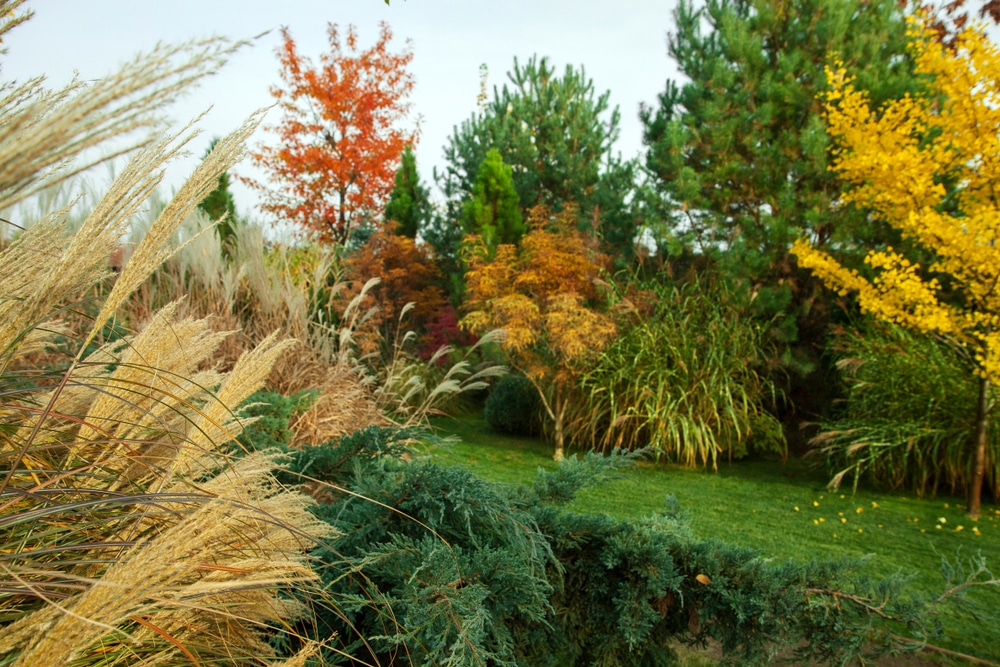
A beautiful landscape starts with plants that thrive in your local environment. While some flowers, trees, and shrubs may look attractive at the garden center, not every variety suits every climate. Temperature, rainfall, sunlight, and soil conditions all influence how successfully plants grow. Selecting climate-friendly plants helps create a healthier, more resilient landscape that requires less maintenance and fewer resources.
For homeowners and businesses throughout Nassau County, Long Island, NYC, and Westchester, New York’s changing seasons present unique landscaping challenges. Hot summers, freezing winters, and unpredictable rainfall mean you should approach plant selection carefully. By understanding your property’s growing conditions, you can create an outdoor space that stays attractive year-round.
Understand Your Local Climate
Before selecting plants, understand the environmental conditions they will experience. New York landscapes must withstand seasonal temperature changes, including summer heat, winter freezes, and periods of heavy rainfall.
One useful starting point is identifying your USDA Plant Hardiness Zone. These zones indicate the average annual minimum winter temperature in a particular area, helping gardeners choose perennial plants likely to survive the winter.
However, hardiness zones don’t tell the whole story. Two properties in the same zone may have different growing conditions because of wind exposure, sunlight, elevation, and proximity to buildings.
Coastal properties on Long Island may also face salt spray and strong winds, while urban gardens in NYC can experience added heat from surrounding pavement and buildings.
Understanding these conditions helps you narrow plant choices and avoid varieties that may struggle in your location.
Evaluate Your Property’s Growing Conditions
Even within a single property, different areas may require different plants. A sunny front yard may have completely different growing conditions than a shaded backyard.
Before making selections, consider several important factors:
- Sunlight: Determine which areas receive full sun, partial shade, or mostly shade.
- Soil type: Identify whether your soil is sandy, clay-heavy, or well-draining.
- Moisture: Look for areas that remain damp or dry out quickly.
- Wind exposure: Consider whether plants will experience strong winds or coastal conditions.
- Available space: Account for the mature height and width of trees and shrubs.
Choosing plants based on these conditions helps reduce maintenance and encourages stronger growth.
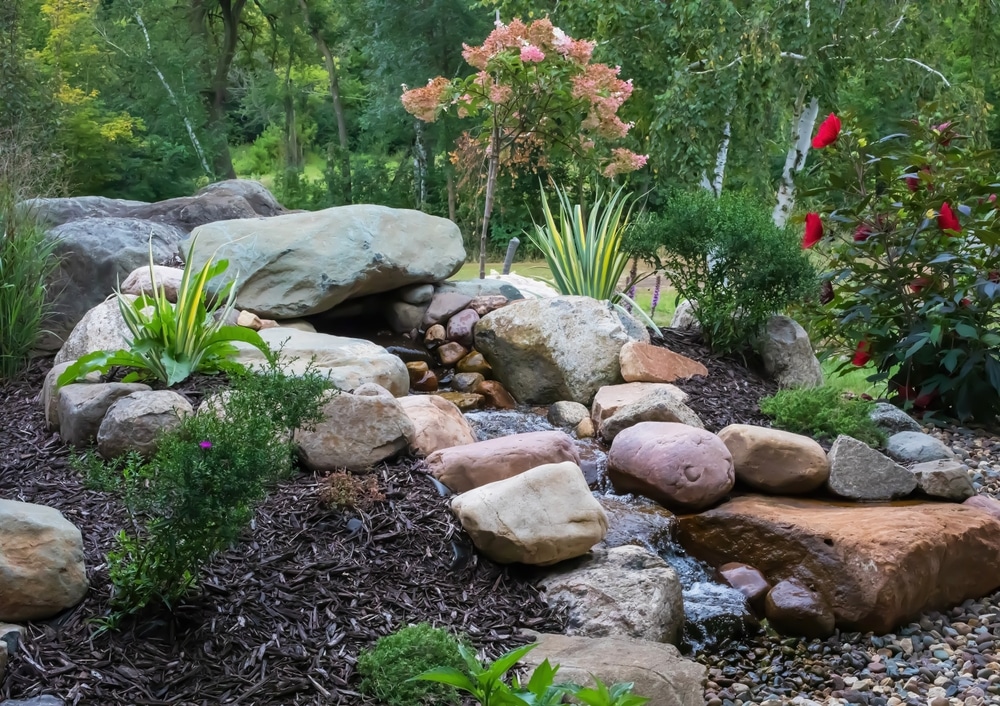
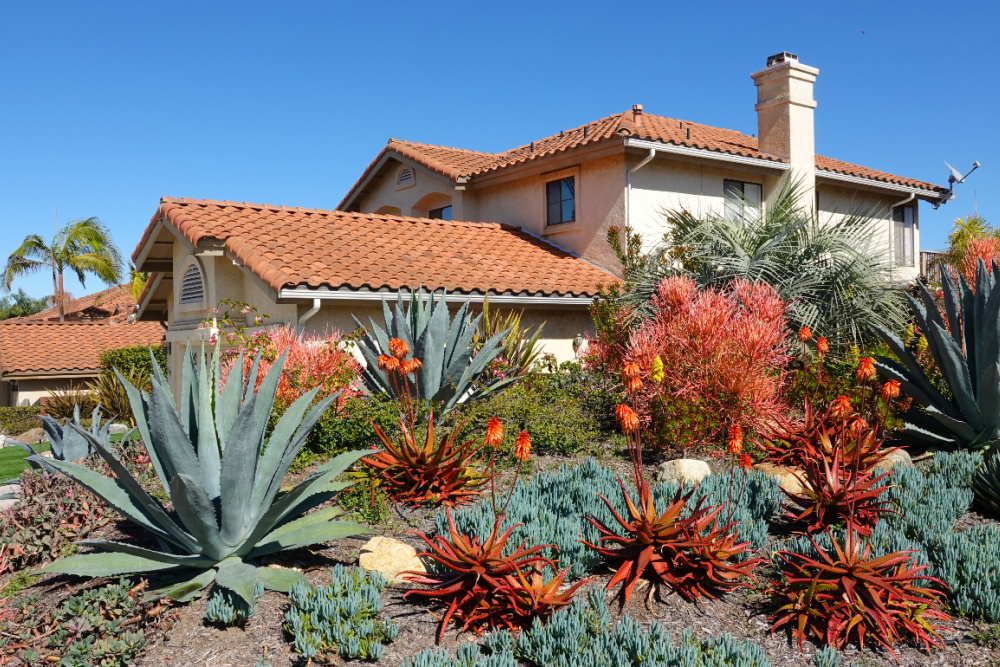
For example, moisture-loving plants may thrive in naturally damp areas, while drought-tolerant varieties suit sunny locations with fast-draining soil.
Choose Plants That Can Handle Seasonal Changes
New York’s four distinct seasons make plant durability especially important. Plants must tolerate winter temperatures while still performing well during warmer months.
Evergreen shrubs provide structure and greenery year-round, while deciduous trees offer shade in summer and colorful foliage in autumn.
Flowering perennials can add seasonal interest without requiring complete replacement every spring. Black-eyed Susans, coneflowers, and certain varieties of asters are popular landscape choices across the region.
When selecting climate-friendly plants, consider how they will look and perform in different seasons, not just how they look at planting time.
A balanced landscape often combines evergreens, flowering shrubs, ornamental grasses, and seasonal perennials to maintain visual interest throughout the year.
Consider Native Plants
Native plants are often excellent choices because they have evolved alongside local environmental conditions and wildlife. Once established in suitable locations, many native species can require less supplemental watering and maintenance than poorly adapted ornamental plants.
New York landscapes can benefit from native varieties such as:
- Eastern redbud: A small ornamental tree with colorful spring flowers.
- Switchgrass: A versatile ornamental grass that adds texture and movement.
- New England aster: A flowering perennial that provides late-season color.
- Inkberry holly: An evergreen shrub that works well in many landscape designs.
- Eastern red columbine: A spring-flowering perennial that attracts hummingbirds.
Native plants can also support pollinators, birds, and other beneficial wildlife. However, being native doesn’t automatically mean a plant will thrive everywhere. You still need to consider soil moisture, sunlight, and available growing space.
Combining native varieties with other well-adapted plants creates a landscape that is both attractive and environmentally responsible.
Plan for Water and Irrigation Needs
Water requirements are another important consideration when choosing plants. Some varieties need consistent moisture, while others tolerate extended dry periods once established.
Grouping plants with similar watering needs makes irrigation more efficient and helps prevent overwatering or underwatering.
Professionally designed Nassau County irrigation systems can deliver moisture according to the needs of different landscape zones. Drip irrigation is especially useful for shrubs, garden beds, and other areas that benefit from targeted watering.
For NYC rooftop irrigation projects, plant selection becomes even more important because containers and shallow growing media can dry out quickly. Wind exposure and reflected heat may also influence which plants perform best.
Selecting appropriate plants and pairing them with efficient irrigation helps create a landscape that stays healthy without wasting water.
Think About Maintenance Requirements
A beautiful landscape should complement your lifestyle, not become a constant responsibility. Before choosing plants, consider how much time you’re willing to spend watering, pruning, fertilizing, and maintaining them.
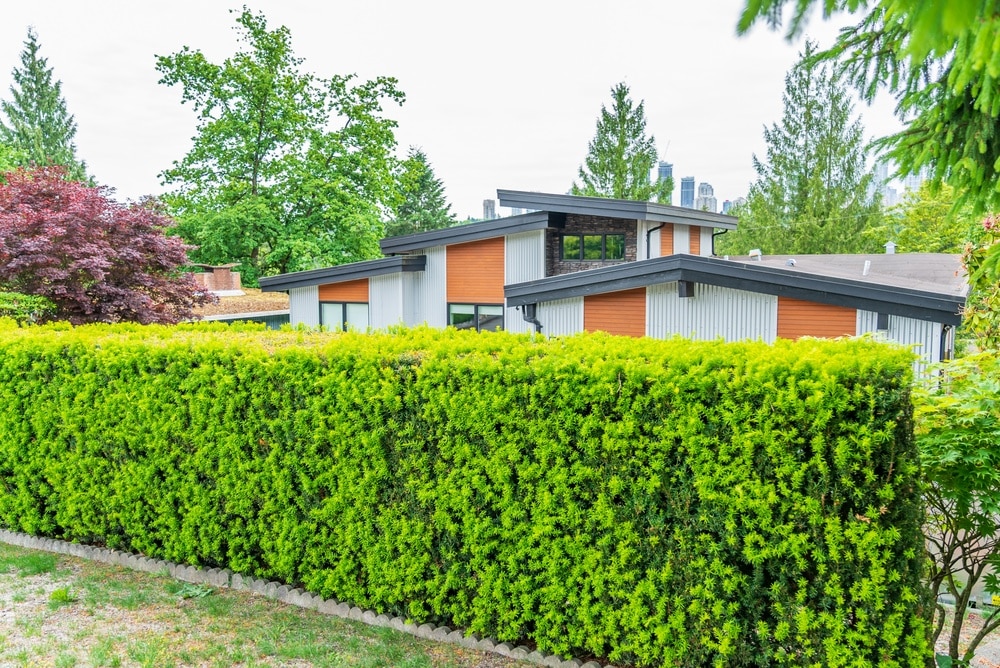
Fast-growing shrubs may provide privacy quickly but require frequent trimming. Flowering annuals offer vibrant color but often need seasonal replacement. Slow-growing evergreens and hardy perennials may provide a more manageable alternative.
For Long Island commercial landscaping, low-maintenance plant selections can help property managers maintain attractive outdoor areas while controlling ongoing expenses.
Climate-friendly plants also reduce the likelihood of frequent replacements due to unsuitable growing conditions.
Create a Balanced Landscape Design
Choosing plants that suit your climate is only one part of successful landscape planning. Their colors, textures, sizes, and seasonal characteristics should also complement one another.
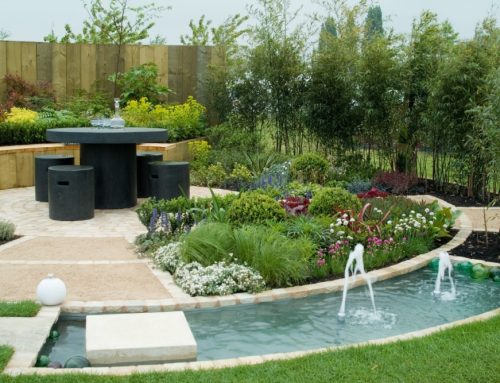
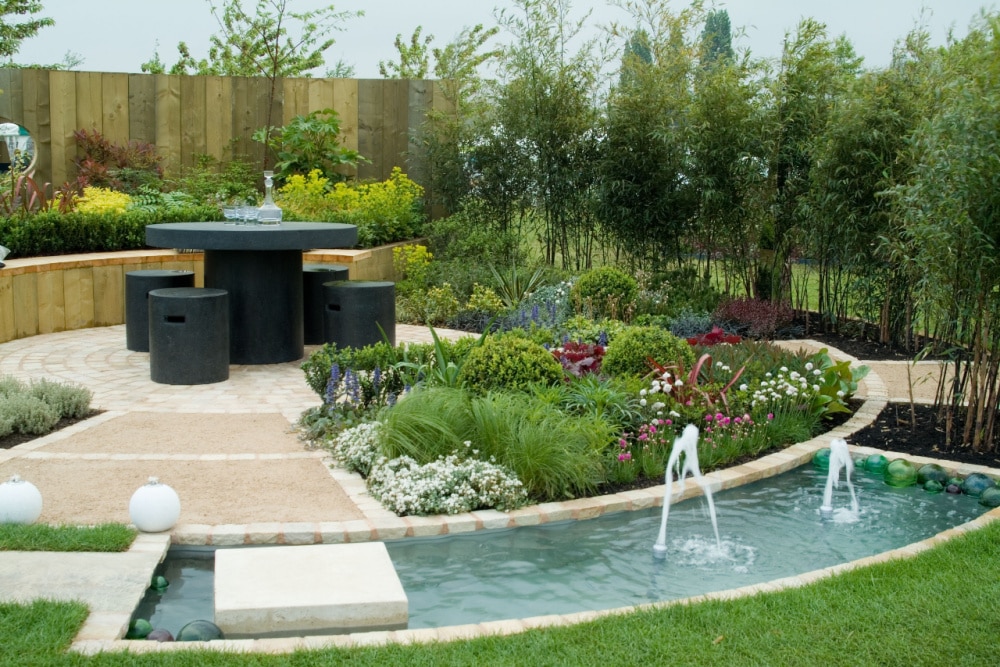
Layering taller trees behind medium-sized shrubs and lower flowering plants creates depth and visual interest. Mixing evergreen and deciduous varieties provides structure while allowing the landscape to change naturally throughout the seasons.
Hardscape features such as stone pathways, retaining walls, and decorative borders can further enhance the design.
Westchester landscape lighting can highlight ornamental trees, shrubs, and garden beds after sunset, extending your landscape’s visual appeal into the evening.
The goal is to create an outdoor environment where every element works together rather than competing for attention.
Avoid Common Plant Selection Mistakes
One of the most common landscaping mistakes is choosing plants based entirely on appearance. A beautiful flowering shrub may not survive if it requires more sunlight or warmer winter temperatures than your property provides.
Another mistake is ignoring the mature size of plants. Trees and shrubs that look small when you install them may eventually crowd walkways, windows, or neighboring plants.
Planting at the wrong time of year can also create unnecessary stress. Spring and fall are often favorable planting seasons in New York, although the ideal timing depends on the plant species and site conditions.
Finally, don’t assume every plant needs the same amount of water. Understanding individual needs and grouping compatible varieties helps keep your landscape healthier.
Build a Landscape That Thrives Year After Year
Selecting the right plants for your climate is one of the most important steps in creating a successful landscape. By considering local temperatures, soil conditions, sunlight, water requirements, and seasonal changes, you can choose plants that remain healthy and attractive with less effort.
Climate-friendly plants can reduce maintenance, improve water efficiency, support local wildlife, and create lasting beauty throughout your property. With thoughtful landscape design and proper irrigation, they provide a strong foundation for an outdoor space that can thrive for years.
At Cerullo Landscape and Irrigation, we help homeowners and businesses create landscapes tailored to their property’s unique conditions. From Nassau County irrigation systems and Long Island commercial landscaping to Westchester landscape lighting and NYC rooftop irrigation, our team combines plant selection with practical landscape solutions.
Visit our website to learn more about our landscaping services and discover how Cerullo Landscape and Irrigation can help you create a beautiful, healthy outdoor environment!
Frequently Asked Questions
- How do I know which plants will survive in my climate?
Start by identifying your USDA Plant Hardiness Zone and researching plants suited to your area’s winter temperatures. Also consider sunlight, soil conditions, moisture, and wind exposure when making your selections. - Are native plants always better for landscaping?
Native plants often provide environmental benefits and can require less maintenance when planted in suitable conditions. However, well-adapted, non-invasive, non-native plants that suit your property can also be excellent choices. - What are the best low-maintenance plants for New York landscapes?
Options may include inkberry holly, switchgrass, black-eyed Susans, coneflowers, and certain native asters. The best selections depend on your property’s sunlight, soil, moisture, and available space.

Leave A Comment
You must be logged in to post a comment.